
Understanding Fire Alarm Certifications and Compliance
Introduction to Fire Alarm Certifications
Ensuring the safety of a building often begins with a robust fire alarm system. However, having a system in place is not enough; it must meet specific certifications and compliance standards. These certifications ensure that fire alarms are reliable and effective in preventing disasters. Understanding these certifications is essential for property owners, facility managers, and anyone involved in building safety.
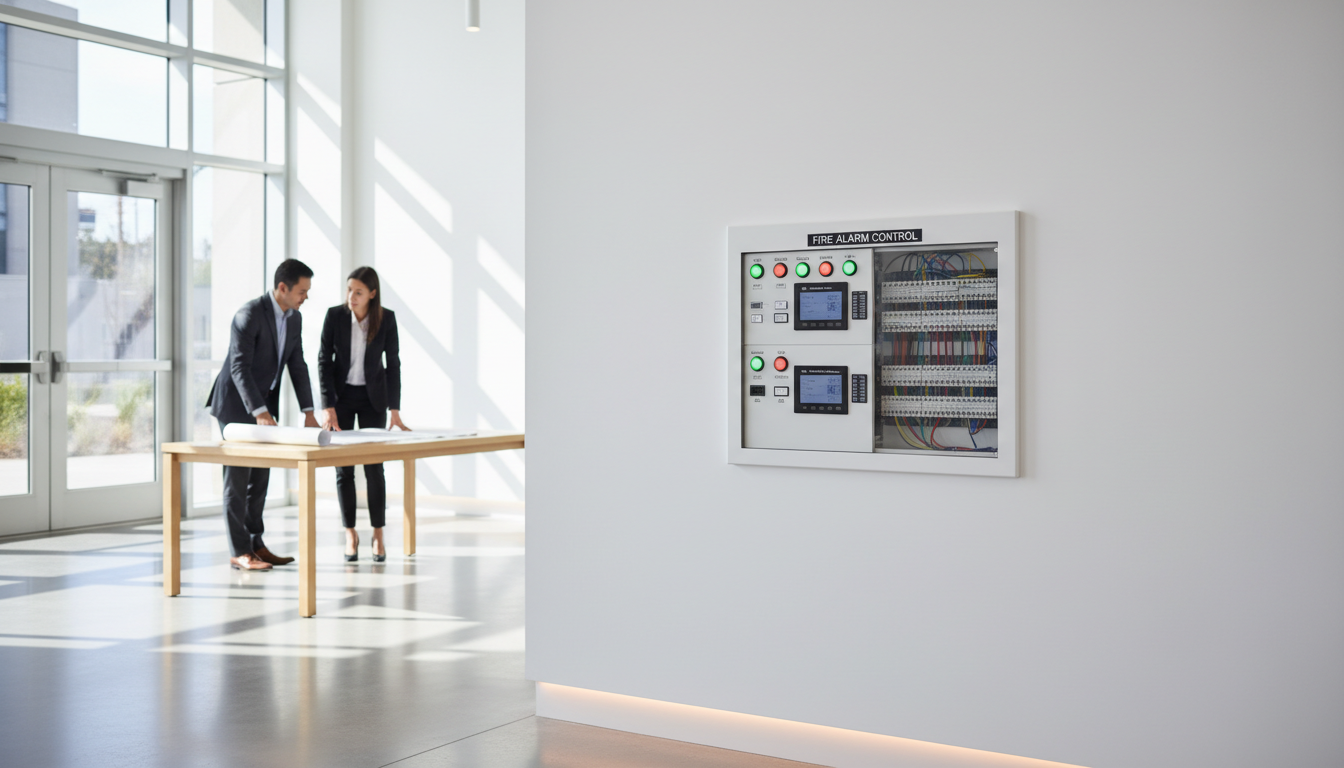
Why Certifications Matter
Fire alarm certifications are crucial because they verify that the system complies with established safety regulations. These certifications are often mandated by local, national, or international laws and standards. They ensure that fire alarm systems are tested for performance, durability, and reliability, minimizing the risk of failure during an emergency.
Types of Fire Alarm Certifications
There are several types of certifications that a fire alarm system might need, depending on its location and application. Key certifications include:
- UL Certification: Underwriters Laboratories (UL) is a global safety certification company that rigorously tests fire alarm systems for safety and performance.
- FM Approval: FM Global provides certification to ensure property loss prevention and fire alarm system reliability.
- CE Marking: Required for systems sold within the European Economic Area, indicating compliance with EU safety standards.

Compliance with Local and National Regulations
Compliance with local and national regulations is vital for ensuring that fire alarm systems meet the necessary safety requirements. Regulations can vary significantly depending on the jurisdiction, so it's important to be familiar with the specific requirements applicable to your location.
Ensuring Compliance
To ensure compliance, you should:
- Consult with local fire authorities or building inspectors to understand specific requirements.
- Work with certified professionals during the installation and maintenance of fire alarm systems.
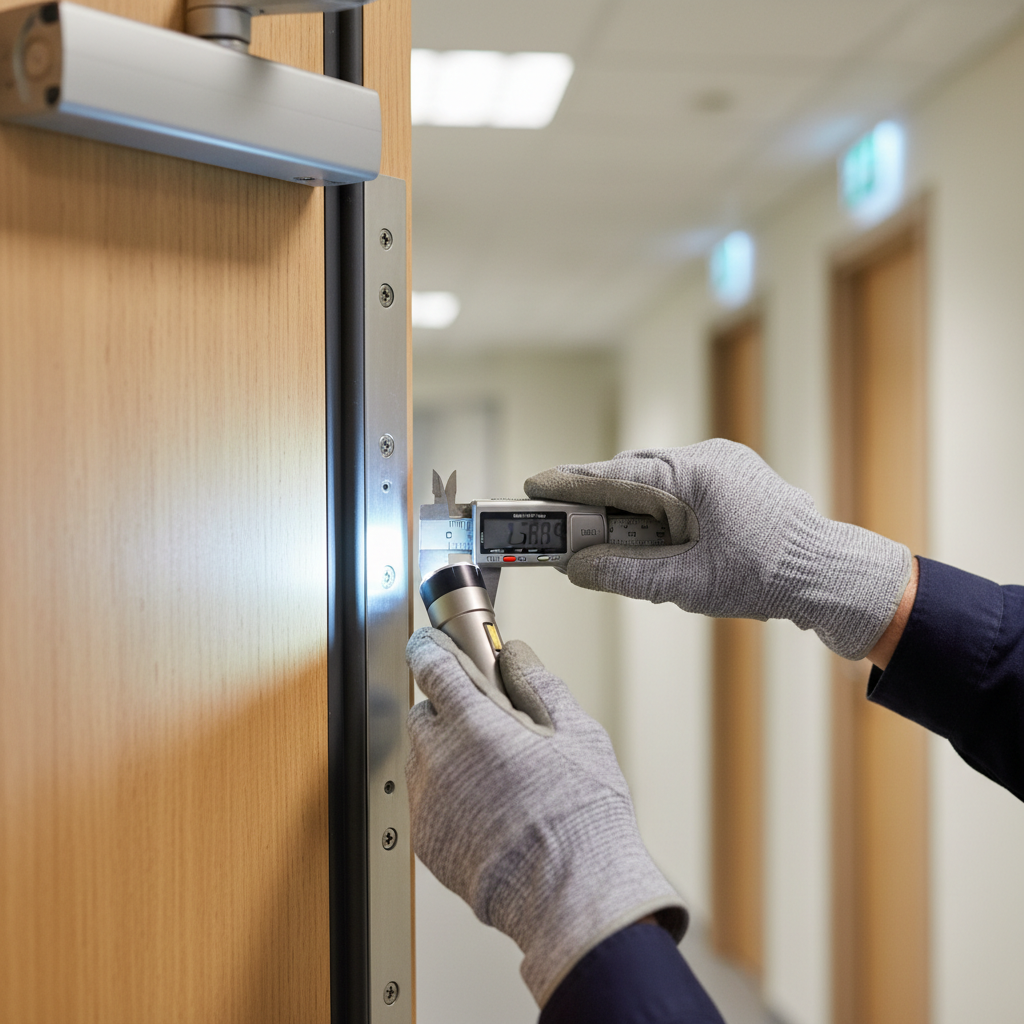
- Regularly audit and test systems to ensure ongoing compliance and functionality.
Choosing the Right Fire Alarm System
When selecting a fire alarm system, consider the certifications it carries. Opt for systems that have the appropriate certifications for your region and adhere to both local and international standards. Doing so not only ensures safety but also can provide peace of mind knowing that the system is backed by rigorous testing and approval.
In conclusion, understanding fire alarm certifications and compliance is fundamental to ensuring the safety and security of any building. By selecting certified systems and ensuring compliance with regulations, you actively contribute to creating a safer environment for everyone.