
Top Fire Detection Systems for Home and Business Use
Introduction to Fire Detection Systems
Fire detection systems are crucial for ensuring safety, whether at home or in a business environment. These systems are designed to detect fires early, giving occupants precious time to evacuate and minimize damage. With numerous options available, choosing the right system can be overwhelming. In this post, we'll explore the top fire detection systems suited for both home and business use.
Types of Fire Detection Systems
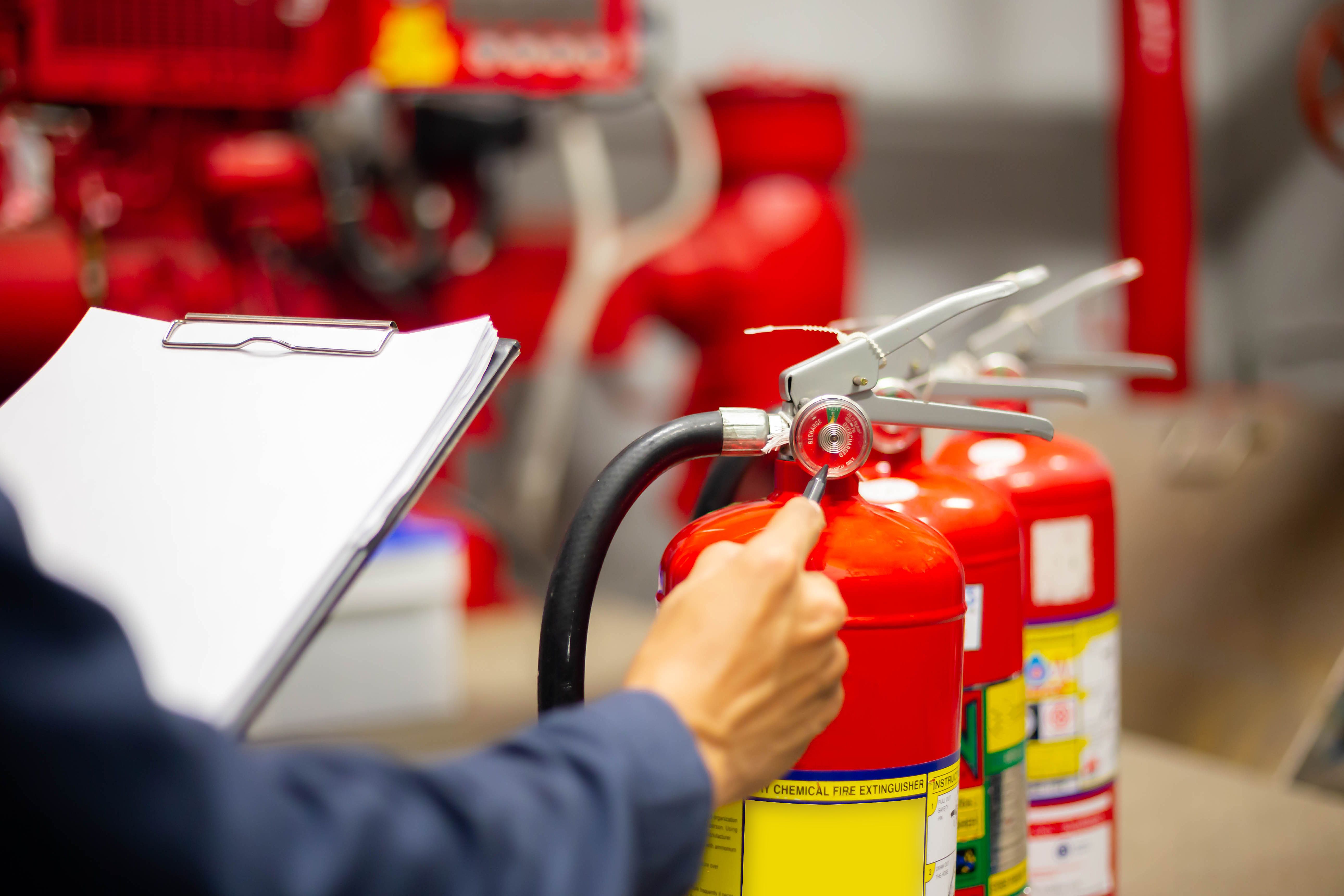
Fire detection systems generally fall into two categories: smoke detectors and heat detectors. Smoke detectors are the most common and are designed to sense smoke particles in the air. Heat detectors, on the other hand, respond to significant increases in temperature. Both types have their unique applications and advantages.
Smoke Detectors
Smoke detectors can be further divided into ionization and photoelectric types. Ionization detectors are excellent for detecting fast-flaming fires, while photoelectric detectors are more responsive to smoldering fires. Many modern systems offer a combination of both, providing comprehensive coverage.
Advanced Fire Detection Systems
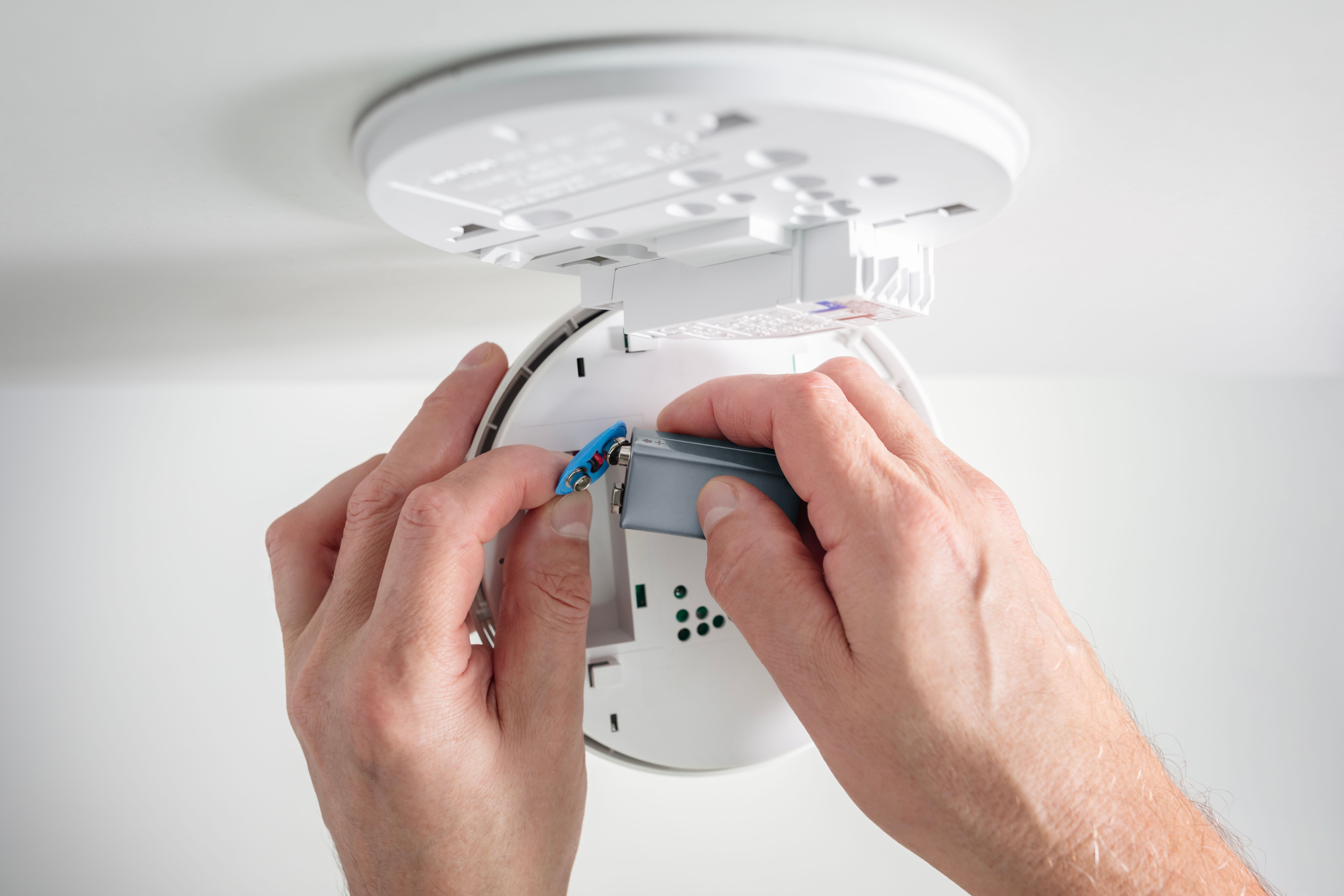
Beyond basic smoke and heat detectors, advanced fire detection systems offer features like connectivity and smart technology. These systems can alert homeowners and business operators through smartphones or other devices, ensuring a swift response even when the premises are unoccupied.
Smart Fire Detection Systems
Smart fire detection systems integrate with home automation systems and can be controlled remotely. They offer real-time alerts and can even notify emergency services automatically. Some systems also include features like carbon monoxide detection and air quality monitoring, adding layers of safety.
Choosing the Right System for Your Needs
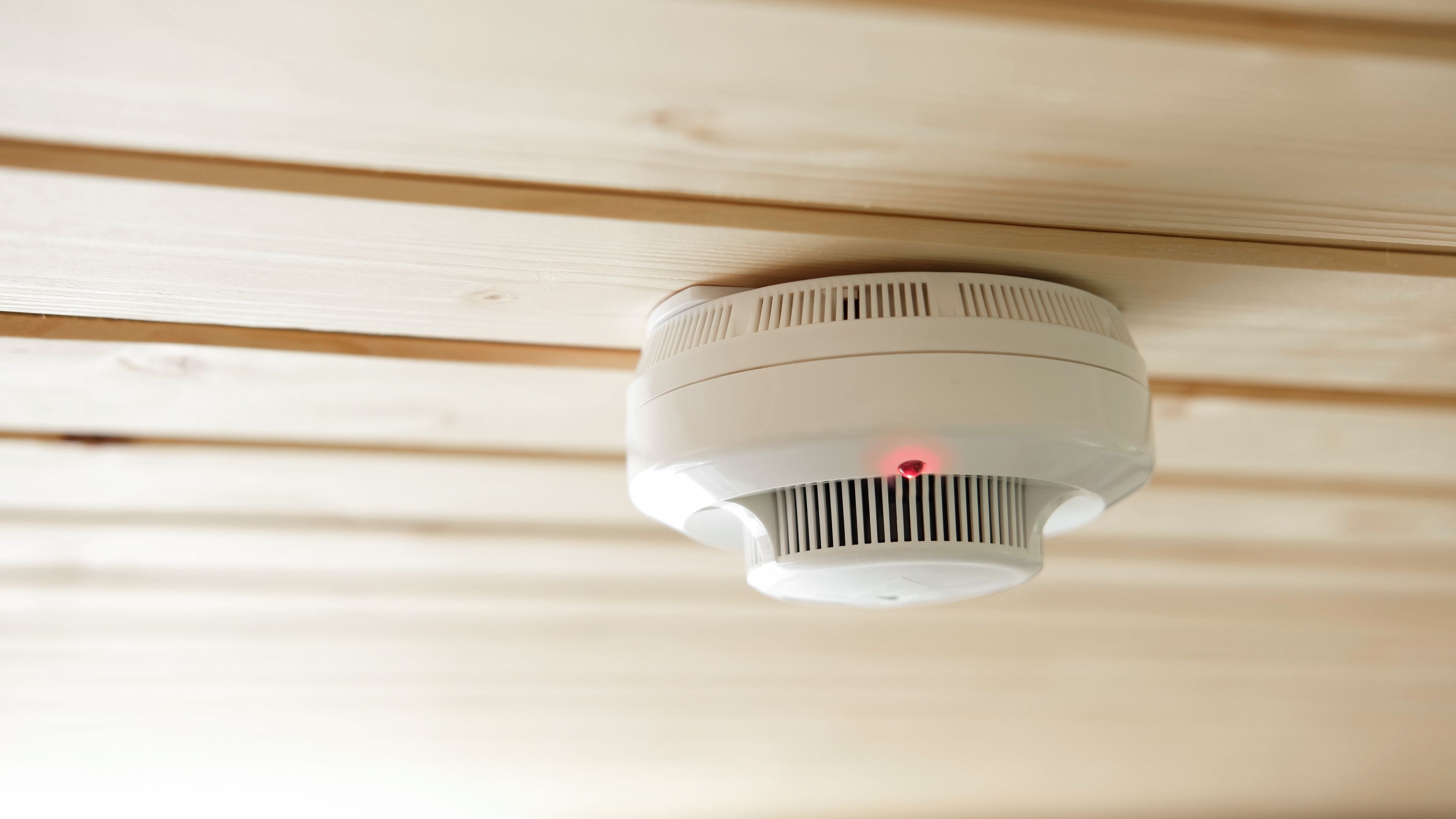
When selecting a fire detection system, consider factors such as the size of the space, occupancy, and specific risks associated with the environment. For homeowners, a combination of smoke and carbon monoxide detectors might suffice. Businesses, particularly those with higher risks like restaurants or manufacturing plants, may require more sophisticated systems.
Installation and Maintenance
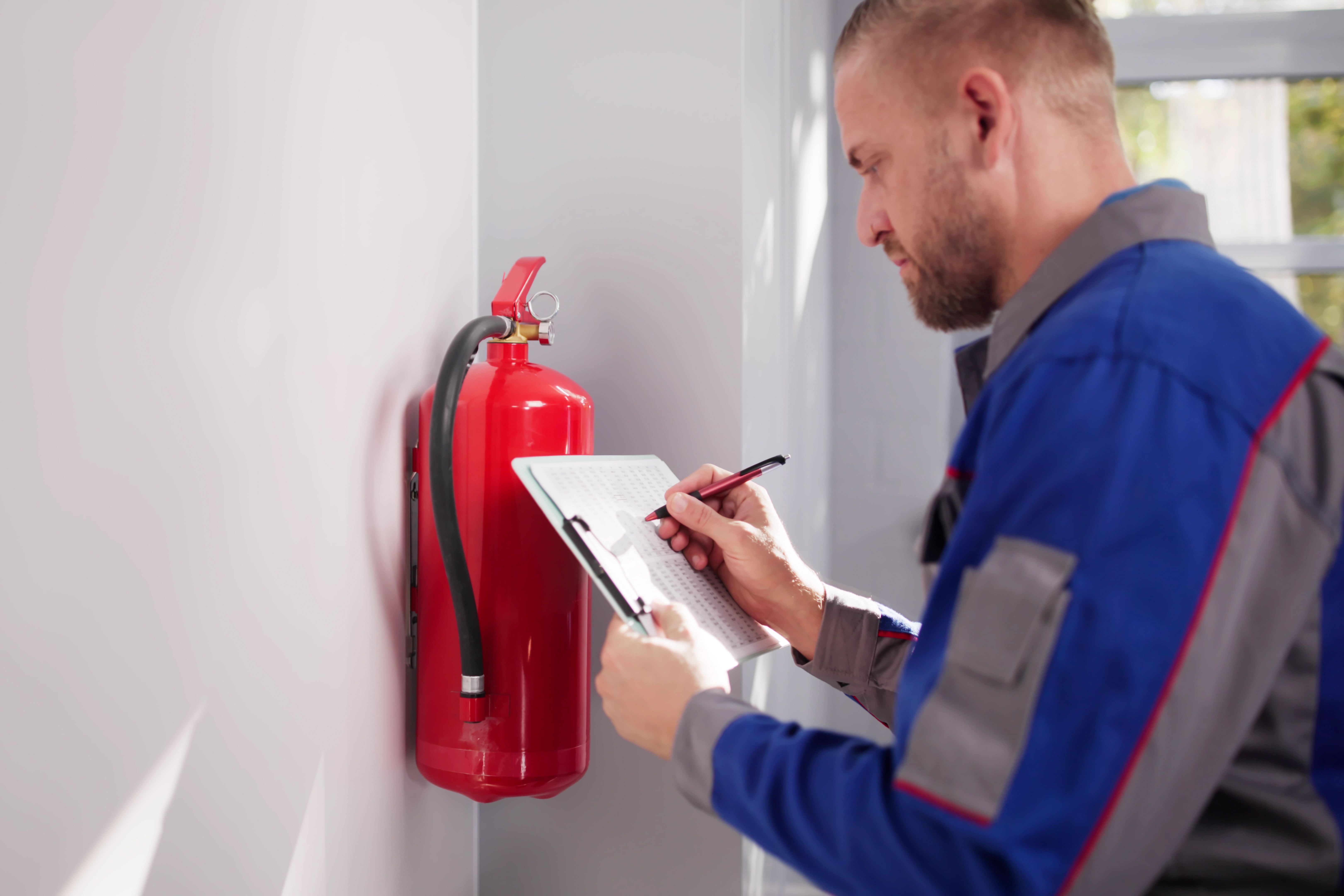
Proper installation and regular maintenance are key to ensuring the effectiveness of any fire detection system. It is recommended to have systems installed by professionals and to schedule regular inspections and tests. Keeping systems well-maintained can prevent false alarms and ensure they function correctly in an emergency.
Conclusion
Investing in a reliable fire detection system is essential for protecting both life and property. By understanding the different types of systems available and assessing your specific needs, you can make an informed decision that provides peace of mind. Remember, safety is not just an option—it's a necessity.