
The Latest Innovations in Fire Alarm Technology
Introduction to Modern Fire Detection
Fire alarm technology has evolved significantly over the years, offering enhanced safety and reliability. Today's systems go beyond mere alert mechanisms, integrating intelligent technologies to provide comprehensive fire protection solutions. These innovations are not only more efficient but also more user-friendly, making them essential for modern buildings.
Smart Fire Alarms
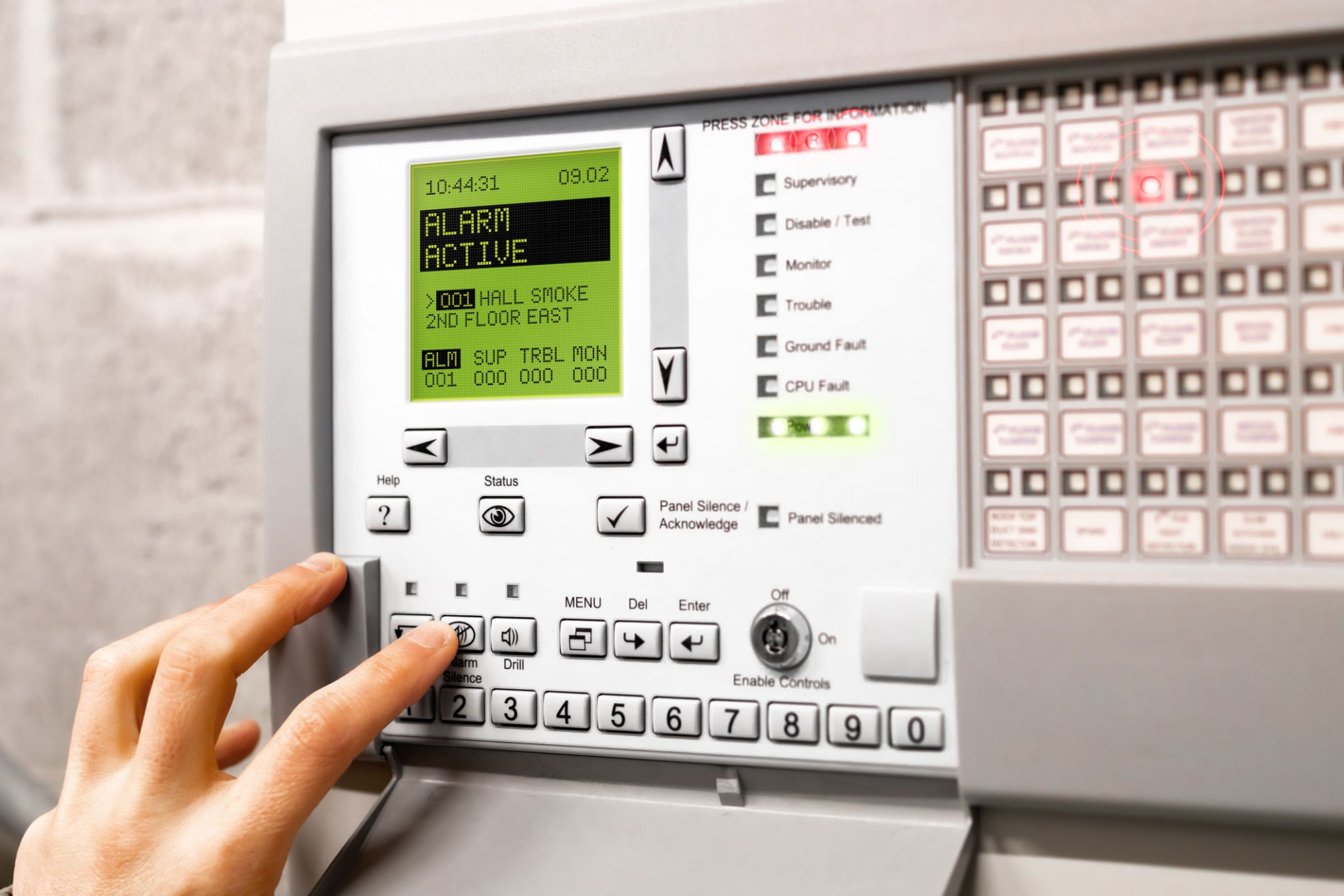
One of the latest trends in fire alarm technology is the advent of smart fire alarms. These devices are equipped with sensors that can detect smoke, heat, and even carbon monoxide levels. What sets them apart is their ability to connect to the internet, allowing for remote monitoring and control via smartphones or other connected devices.
Smart alarms can send real-time notifications to homeowners or building managers, ensuring prompt action even when they are not on the premises. This connectivity also allows for integration with other smart home or building systems, enhancing overall safety and convenience.
Wireless Fire Alarm Systems
Wireless fire alarm systems have become increasingly popular due to their ease of installation and scalability. Unlike traditional wired systems, wireless alarms do not require extensive cabling, making them ideal for both new constructions and retrofits. These systems use secure, encrypted signals to communicate between devices, ensuring reliable operation without interference.
Advanced Detection Technologies
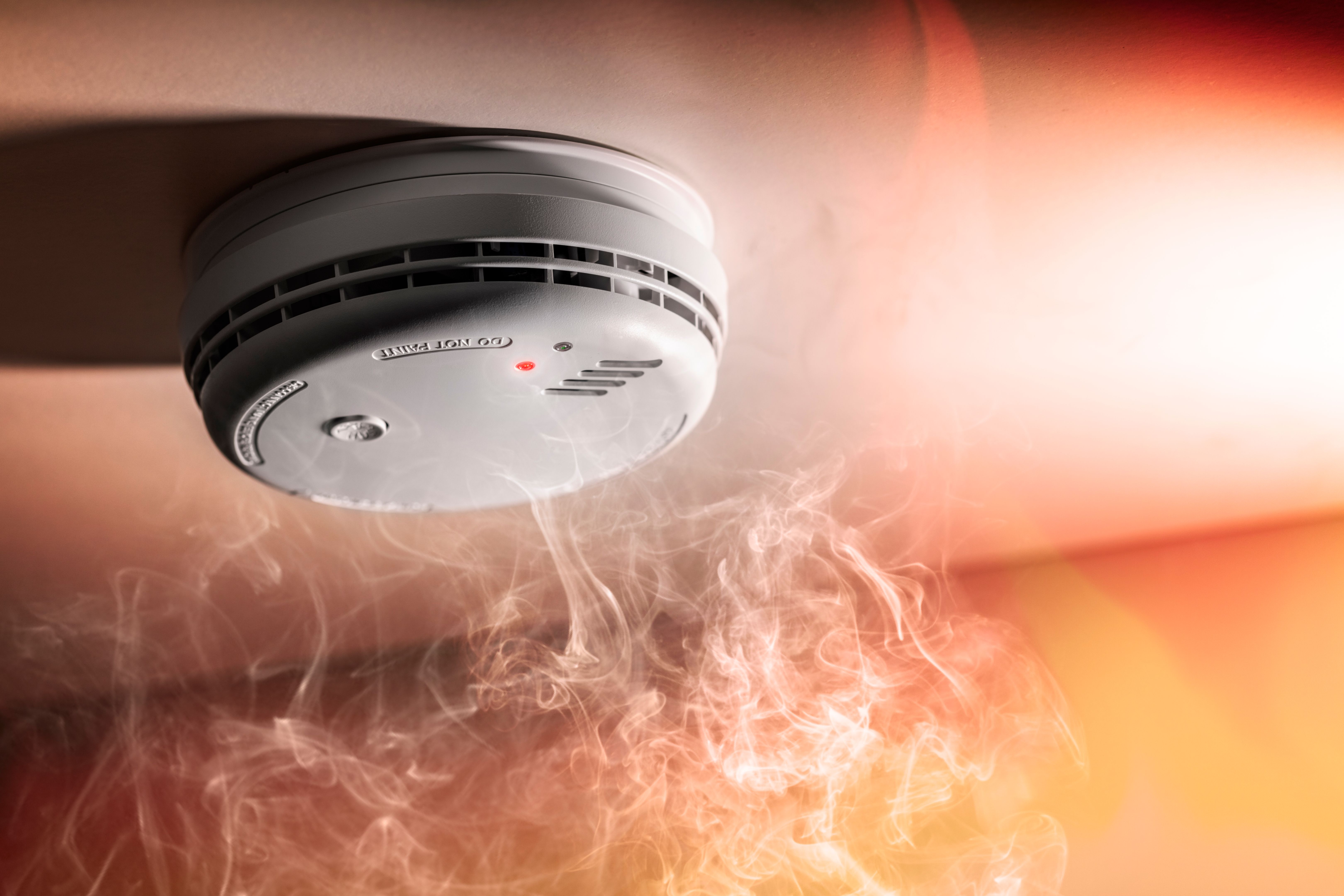
Modern fire alarms now incorporate advanced detection technologies such as multi-sensor detectors. These devices combine different types of sensors—such as optical, heat, and gas sensors—to accurately identify fires while minimizing false alarms. This multi-criteria approach is particularly beneficial in environments where traditional detectors may struggle, such as kitchens or industrial settings.
Additionally, some systems utilize artificial intelligence to analyze environmental data and improve detection accuracy over time. By learning from past events, these AI-enhanced systems can better differentiate between actual fire threats and benign conditions.
Integration with Building Management Systems
Integration with building management systems (BMS) is another significant innovation in fire alarm technology. By connecting fire alarms to BMS, facility managers can gain a comprehensive view of the building's safety status. This integration allows for automatic responses to fire events, such as unlocking emergency exits or shutting down HVAC systems to prevent smoke spread.

The Future of Fire Alarm Technology
Looking ahead, the future of fire alarm technology promises even greater advancements. Emerging technologies such as the Internet of Things (IoT) and machine learning are expected to further enhance system capabilities, offering predictive maintenance and more personalized safety solutions.
As these technologies continue to evolve, fire alarm systems will become even more integral to building safety, offering peace of mind and protection for occupants worldwide.