
The Importance of Regular Maintenance for Fire Alarm Systems
Ensuring Safety Through Regular Maintenance
Fire alarm systems are critical components in maintaining safety in both residential and commercial properties. These systems are designed to detect fire hazards early, providing the crucial time needed for evacuation and response. However, the effectiveness of a fire alarm system depends heavily on regular maintenance. Failure to maintain these systems can lead to malfunctions, putting lives and property at risk.
Understanding the Components of a Fire Alarm System
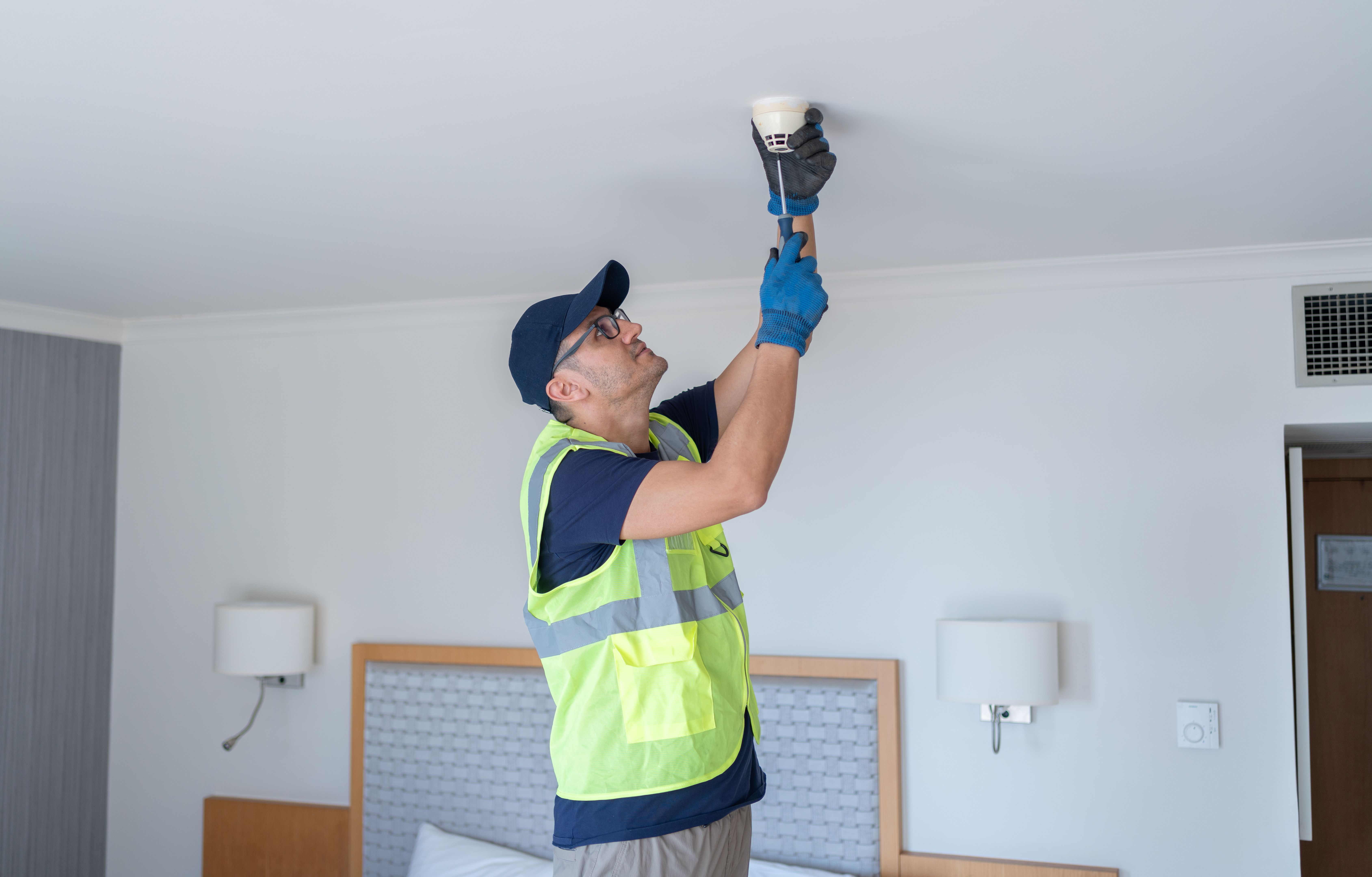
Fire alarm systems consist of various components, including detectors, control panels, and alert devices. Each part plays a specific role in the detection and notification process. Regular maintenance ensures that each component functions correctly and communicates effectively with the others. This coordination is essential for the system to operate as intended during an emergency.
Components such as smoke detectors have sensors that can become obstructed by dust and debris over time. Regular cleaning and testing are necessary to ensure these sensors remain responsive to smoke or heat, triggering the alarm promptly.
Compliance with Safety Regulations
Many jurisdictions have strict regulations requiring regular maintenance of fire alarm systems. Compliance with these regulations is not only a legal obligation but also a moral one. Regular inspections and maintenance help ensure that systems meet the necessary standards, which can prevent costly fines and legal issues.
Property owners should familiarize themselves with local codes and ensure that their fire alarm systems are inspected by qualified professionals at the required intervals.
Preventing System Failures
Routine maintenance helps identify potential issues before they become significant problems. By conducting regular checks, property managers can ensure that all parts of the system are functioning as expected. This proactive approach helps prevent unexpected system failures that could lead to devastating consequences during a fire.
Key maintenance tasks include:
- Testing alarm signals and ensuring they reach the control panel.
- Checking the power supply and backup batteries.
- Inspecting and cleaning detectors and sensors.
Extending the Lifespan of Your System
Regular maintenance not only ensures reliability but also extends the lifespan of the fire alarm system. By addressing wear and tear issues promptly, property owners can avoid the high costs associated with replacing an entire system prematurely.
Investing in regular maintenance can be more cost-effective in the long run, compared to dealing with the aftermath of a system failure or fire incident.
Conclusion: A Commitment to Safety
Regular maintenance of fire alarm systems is an essential practice for anyone committed to safety. It ensures that these critical systems are always ready to perform their life-saving functions. By prioritizing regular inspections and maintenance, property owners and managers not only comply with safety regulations but also demonstrate a strong commitment to protecting lives and property.