
Innovative Fire Alarm Technologies: Trends and Developments
Introduction to Fire Alarm Innovation
The landscape of fire safety is rapidly evolving, driven by cutting-edge technologies and innovative practices. Today, fire alarm systems are not just about detecting smoke or heat; they are part of a comprehensive approach to safeguarding lives and property. In this blog post, we will explore the latest trends and developments in fire alarm technologies that are reshaping the industry.

Smart Fire Alarms
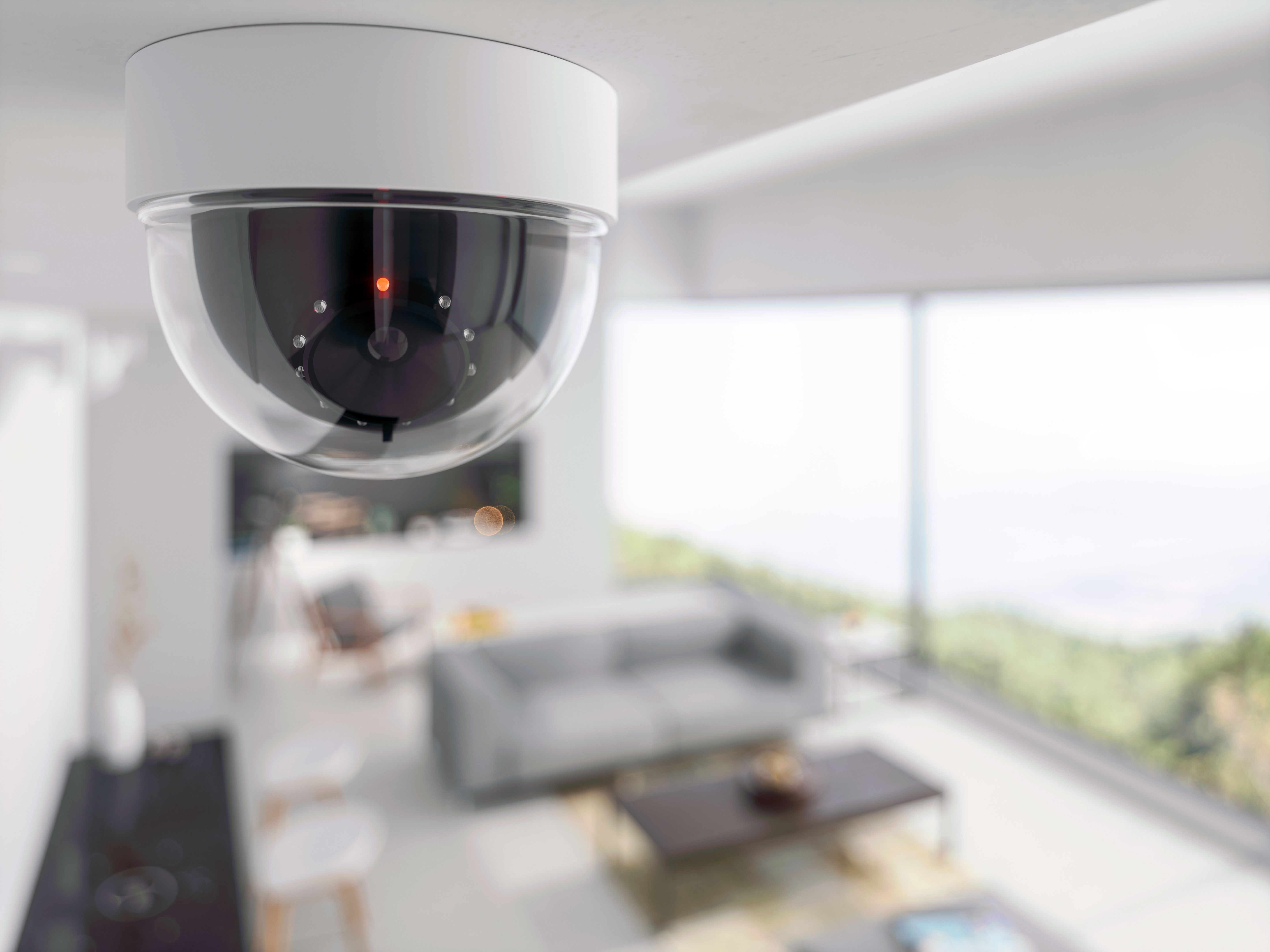
One of the most significant advancements in fire alarm technology is the integration of smart features. Smart fire alarms are equipped with sensors that not only detect smoke but also analyze air quality and other environmental factors. These devices can send real-time alerts to smartphones and other connected devices, ensuring that users are informed immediately, no matter where they are.
Moreover, smart fire alarms can be integrated with home automation systems, providing seamless control and monitoring. This integration allows for automatic responses, such as unlocking doors or turning on lights, to facilitate a quick and safe evacuation.
The Role of IoT in Fire Safety
The Internet of Things (IoT) is playing a crucial role in enhancing fire alarm systems. IoT-enabled devices can communicate with each other, creating a network that provides comprehensive fire detection and response capabilities. This connectivity allows for faster data processing and improved decision-making during emergencies.
Advanced Detection Technologies
Modern fire alarms are equipped with advanced detection technologies that go beyond traditional smoke and heat sensors. These include optical, ionization, and thermal sensors, which offer more precise detection capabilities. Some systems also use infrared and ultraviolet sensors to detect flames even before smoke is present.
This multi-sensor approach minimizes false alarms and ensures a more reliable response, providing peace of mind to users and reducing unnecessary disruptions.
Wireless Fire Alarm Systems
Wireless fire alarm systems are gaining popularity due to their flexibility and ease of installation. These systems eliminate the need for extensive wiring, making them ideal for both new constructions and retrofits in older buildings. Wireless alarms can be easily expanded or reconfigured as needed, providing a scalable solution for growing needs.

Integration with Building Management Systems
Fire alarms are increasingly being integrated with Building Management Systems (BMS) to offer centralized control and monitoring. This integration allows facility managers to monitor fire safety systems alongside other building operations, such as HVAC and lighting, from a single interface.
Such integration enhances operational efficiency and ensures a coordinated response during emergencies, reducing the risk of damage and injury.
AI and Machine Learning in Fire Detection
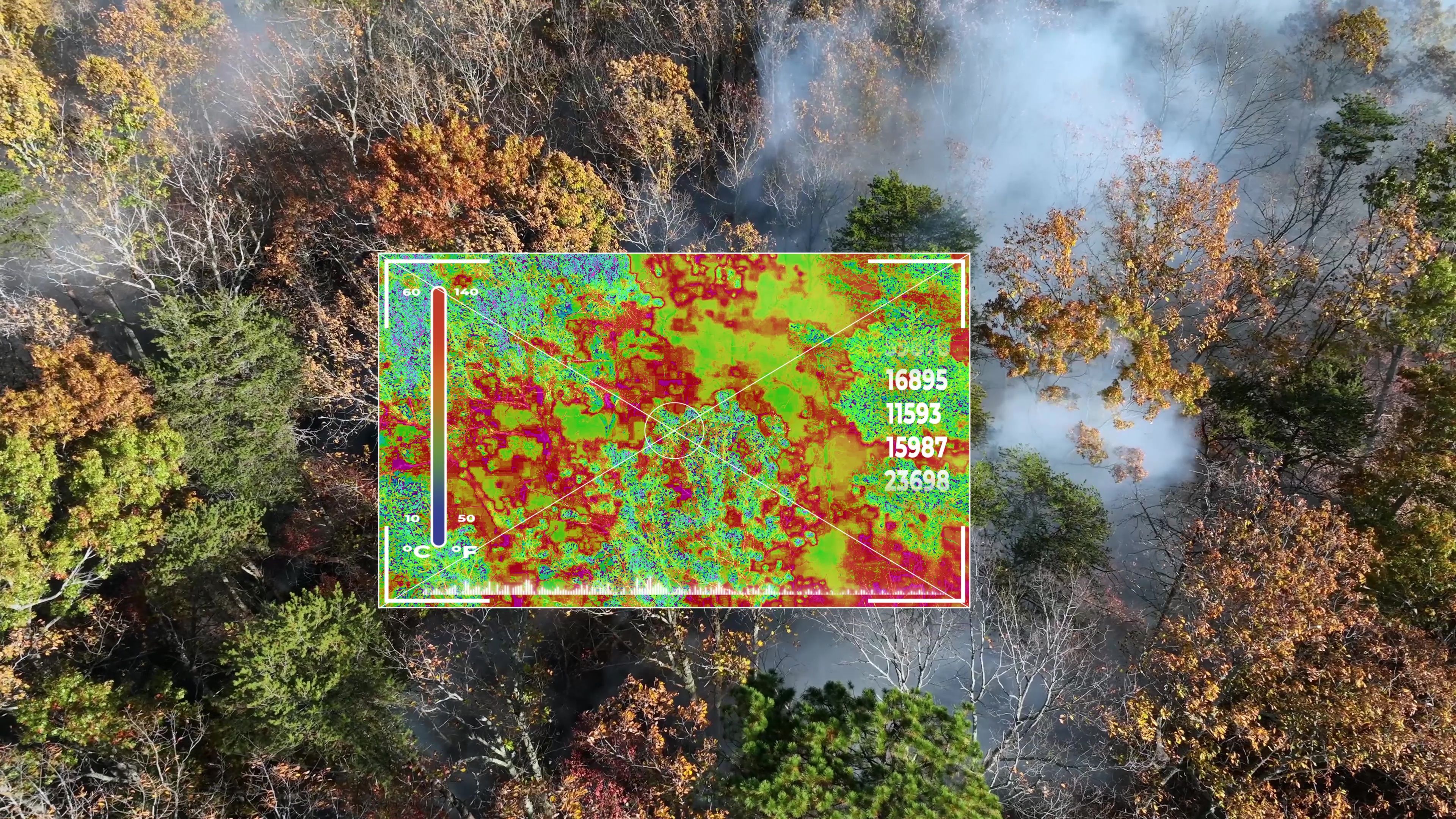
Artificial Intelligence (AI) and Machine Learning (ML) are transforming fire detection by enabling systems to learn from data and improve their accuracy. AI-powered fire alarms can identify patterns and predict potential fire hazards, allowing for proactive measures to prevent incidents.
Conclusion
As technology continues to advance, fire alarm systems are becoming smarter, more efficient, and more reliable. From smart alarms and IoT integration to AI-driven detection and wireless solutions, these innovations are setting new standards for fire safety. By embracing these trends, individuals and businesses can enhance their protection and contribute to a safer environment for everyone.