
How to Prepare Your Fire Alarm System for Seasonal Changes
The Importance of Seasonal Maintenance for Fire Alarm Systems
As the seasons change, so do the demands on your building's infrastructure. One critical yet often overlooked component is the fire alarm system. Regular maintenance ensures that your system is functioning optimally, reducing the risk of false alarms and ensuring safety. With the shift in temperatures and humidity, your fire alarm system may require adjustments to maintain its reliability.
Conduct a Thorough Inspection
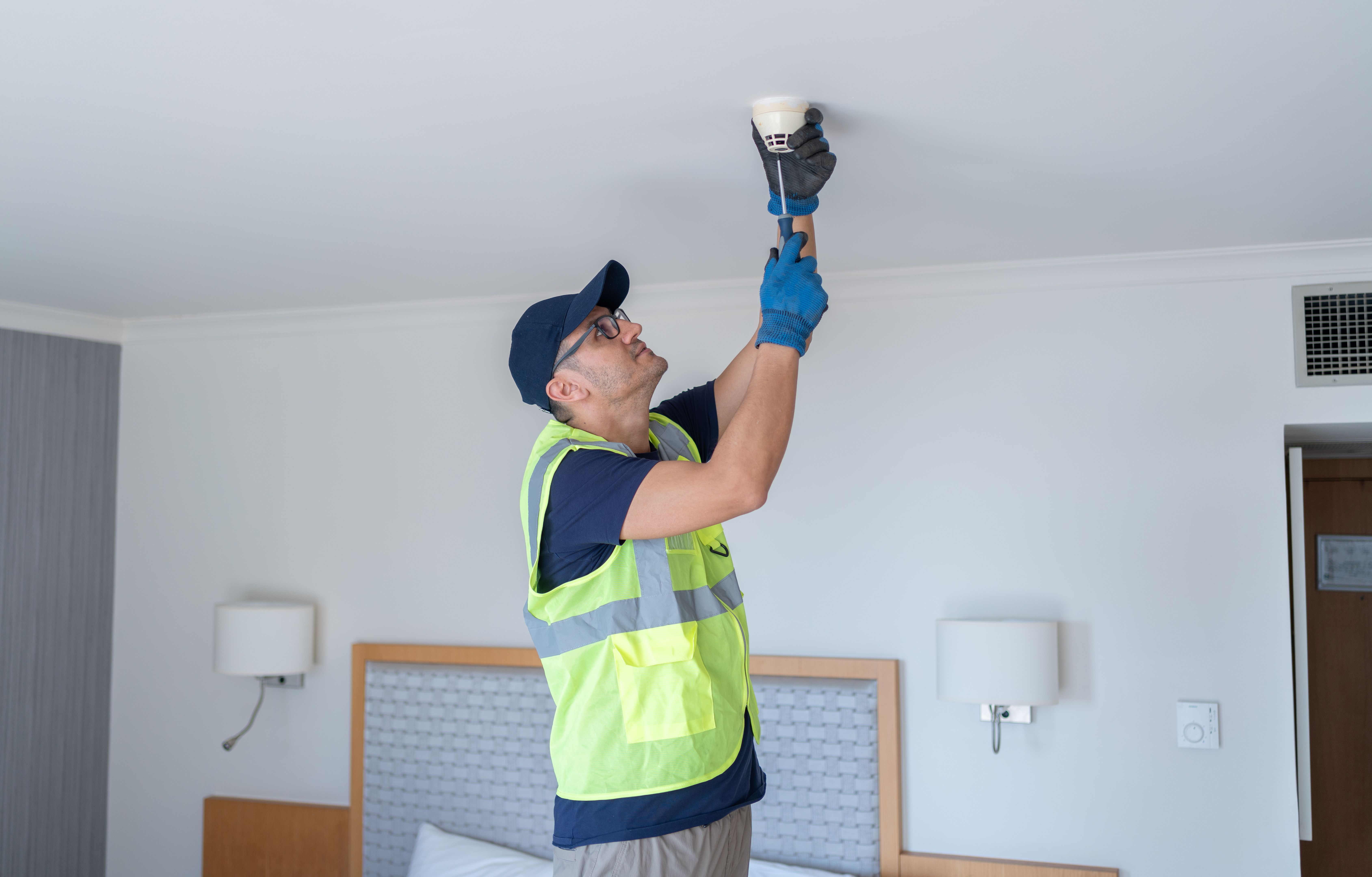
Start by conducting a comprehensive inspection of the entire fire alarm system. This includes checking smoke detectors, heat sensors, and control panels. Make sure all components are free from dust and debris, as these can affect sensor sensitivity. Replace batteries in battery-operated detectors to ensure they're fully functional.
It's also essential to inspect wiring and connections for any signs of wear or corrosion. Over time, temperature fluctuations can cause these elements to deteriorate, leading to potential system failures. If any issues are detected, it's crucial to address them immediately.
Update System Settings
Seasonal changes can affect how your fire alarm system operates. For instance, increased humidity during the summer might require adjustments to the sensitivity settings of smoke detectors. Conversely, during winter, heating systems may introduce more dust into the air, which can trigger false alarms if settings are not properly calibrated.
Test Alarms and Sensors
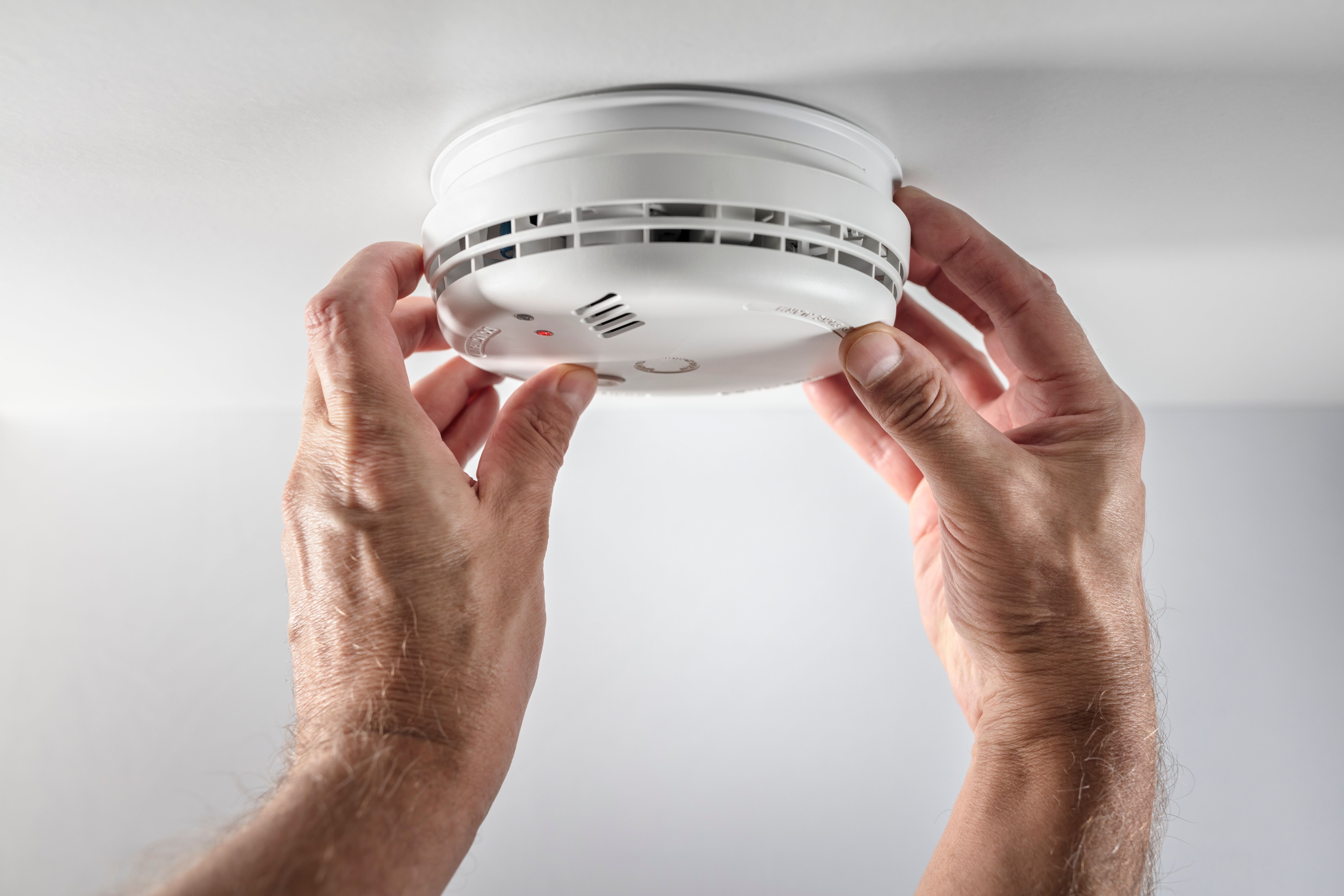
Regular testing is a fundamental part of maintaining your fire alarm system. Ensure that all alarms and sensors are functioning correctly by conducting routine tests. Follow manufacturer guidelines to avoid damaging any components during testing. This step is crucial for identifying any potential issues before they become significant problems.
In addition to manual tests, consider incorporating automated testing features if your system supports them. Automated tests can provide real-time alerts for any malfunctions, enhancing overall safety.
Review and Update Emergency Plans
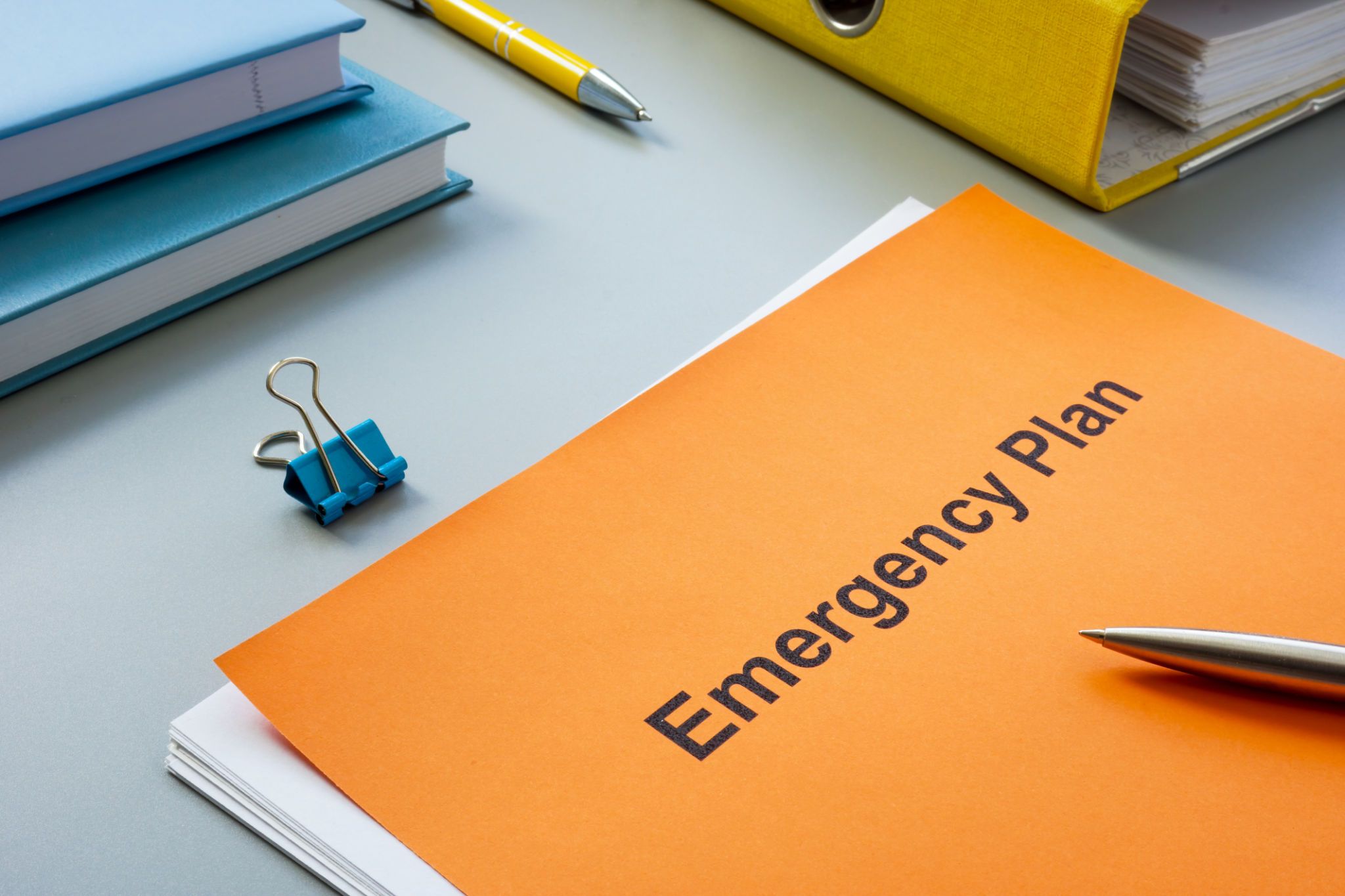
Alongside physical maintenance, review your building’s emergency evacuation plans. Changes in building occupancy or layout due to seasonal activities may necessitate updates. Ensure that all occupants are aware of the procedures and that emergency exits are clearly marked and accessible.
Engage with Professional Services
While routine checks can be performed in-house, engaging with professional fire safety services ensures a thorough evaluation. Professionals can provide expert insights and carry out more complex maintenance tasks, such as recalibrating sensors and updating system software. Regular professional assessments can greatly enhance the reliability of your fire alarm system.
Investing in regular maintenance not only ensures compliance with safety regulations but also enhances the protection of your property and its occupants. By preparing your fire alarm system for seasonal changes, you contribute to a safer environment all year round.