
How to Install and Maintain Your Fire Alarm System Effectively
Understanding Your Fire Alarm System
Installing a fire alarm system is a crucial step in safeguarding your home or business. These systems are designed to detect smoke or heat and alert occupants of potential danger. Understanding the components of your fire alarm system is the first step in ensuring it operates effectively.

Components of a Fire Alarm System
A typical fire alarm system includes smoke detectors, heat sensors, manual call points, and alarm sounders. Each component plays a vital role in detecting and signaling the presence of fire. It's essential to familiarize yourself with these parts to maintain and troubleshoot the system effectively.
Installation Steps for Fire Alarm Systems
Proper installation is key to the effectiveness of your fire alarm system. Here’s a step-by-step guide to help you through the process:
- Identify high-risk areas in your home or business where fires are more likely to start.
- Install smoke detectors on every level, including basements and attics.
- Ensure that detectors are placed at least 10 feet from cooking appliances to prevent false alarms.
- Follow the manufacturer’s instructions for connecting and testing each component.
Common Installation Mistakes
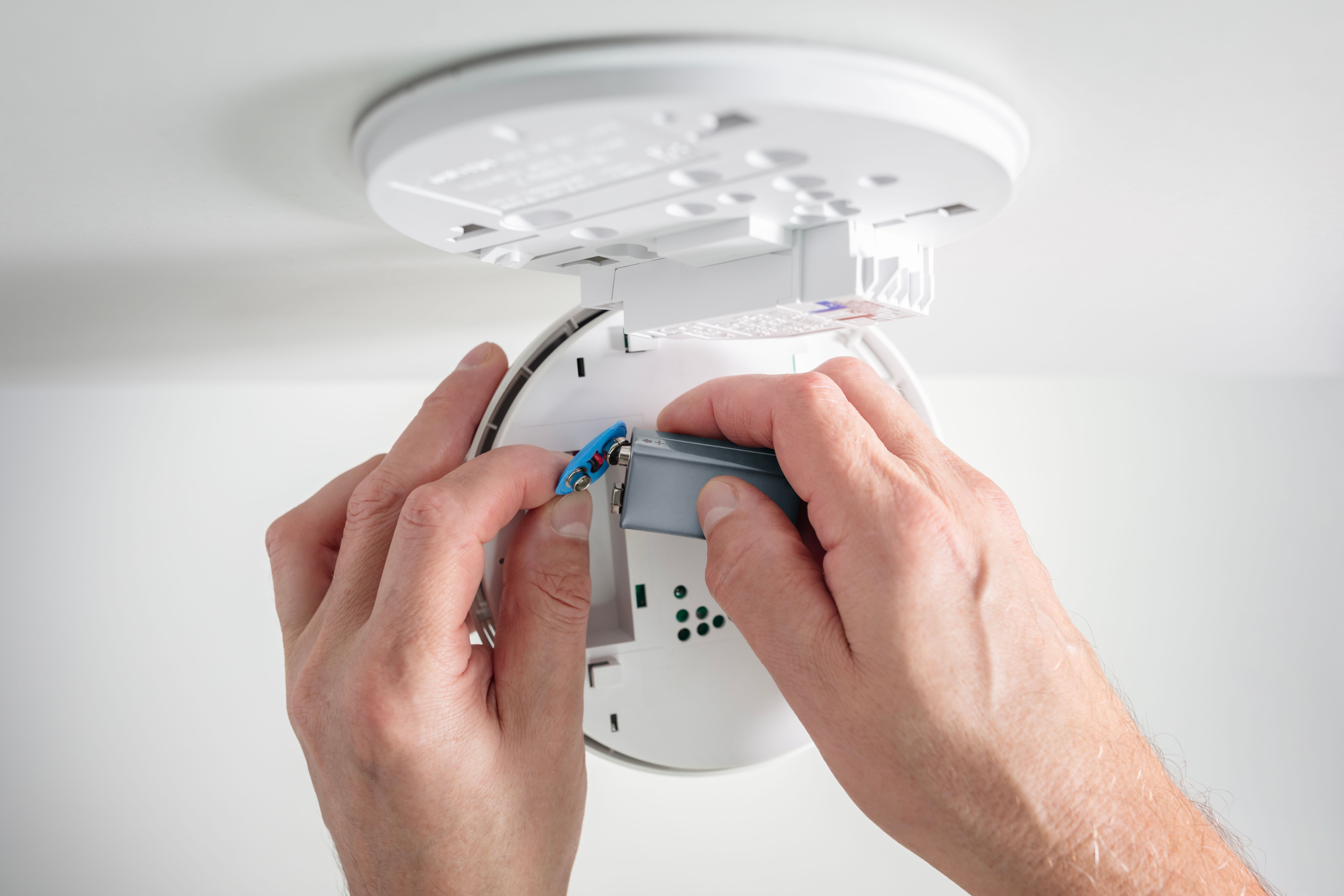
During installation, avoid common mistakes such as placing detectors too close to windows or vents, which can interfere with their ability to detect smoke. Ensure that all components are securely mounted and connected to a reliable power source.
Maintaining Your Fire Alarm System
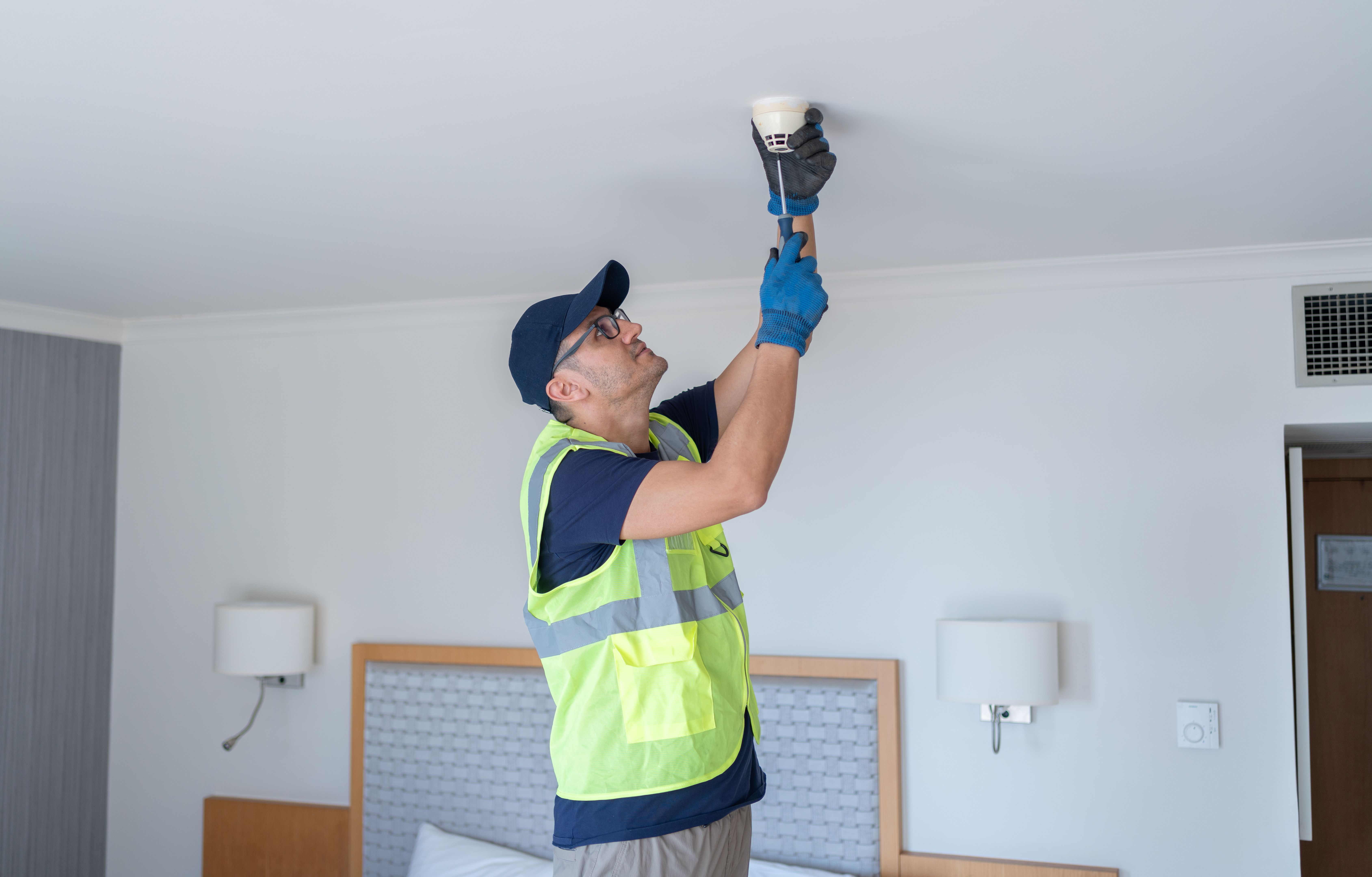
Regular maintenance is essential to keep your fire alarm system in top condition. This not only ensures early detection of fire but also prolongs the life of the system.
Routine Maintenance Tasks
Perform the following maintenance tasks regularly:
- Test alarms monthly to ensure they are working correctly.
- Replace batteries at least once a year or as needed.
- Clean detectors regularly to remove dust and debris.
- Schedule annual inspections by a professional to check the entire system.
Upgrading Your Fire Alarm System
Technology evolves, and so do fire alarm systems. Consider upgrading your system if it is over ten years old or if you notice consistent malfunctions. Modern systems offer enhanced features such as wireless connectivity and smartphone integration, making monitoring more convenient.
Signs It's Time for an Upgrade
Watch for signs like frequent false alarms, outdated technology, and difficulty finding replacement parts. Upgrading ensures your system meets current safety standards and offers the best protection.
By installing and maintaining your fire alarm system effectively, you protect your home or business and ensure the safety of everyone inside. Regular checks and timely upgrades will keep your system running efficiently, providing peace of mind.