
How Do Advanced Fire Detectors Work? A Comprehensive Guide by CableHunt Systems
In today's world, fire safety is paramount, and having reliable fire detection systems in place is essential for protecting lives and property. Advanced fire detectors have revolutionized the field of fire safety, offering more precise and timely alerts. In this guide, we'll explore how these sophisticated systems work and why they are crucial for modern buildings.
What Are Advanced Fire Detectors?
Advanced fire detectors are devices designed to detect fire hazards at an early stage, using cutting-edge technology to ensure prompt alerts. Unlike traditional smoke alarms, these systems can identify a variety of fire indicators, including smoke, heat, and even gas emissions.
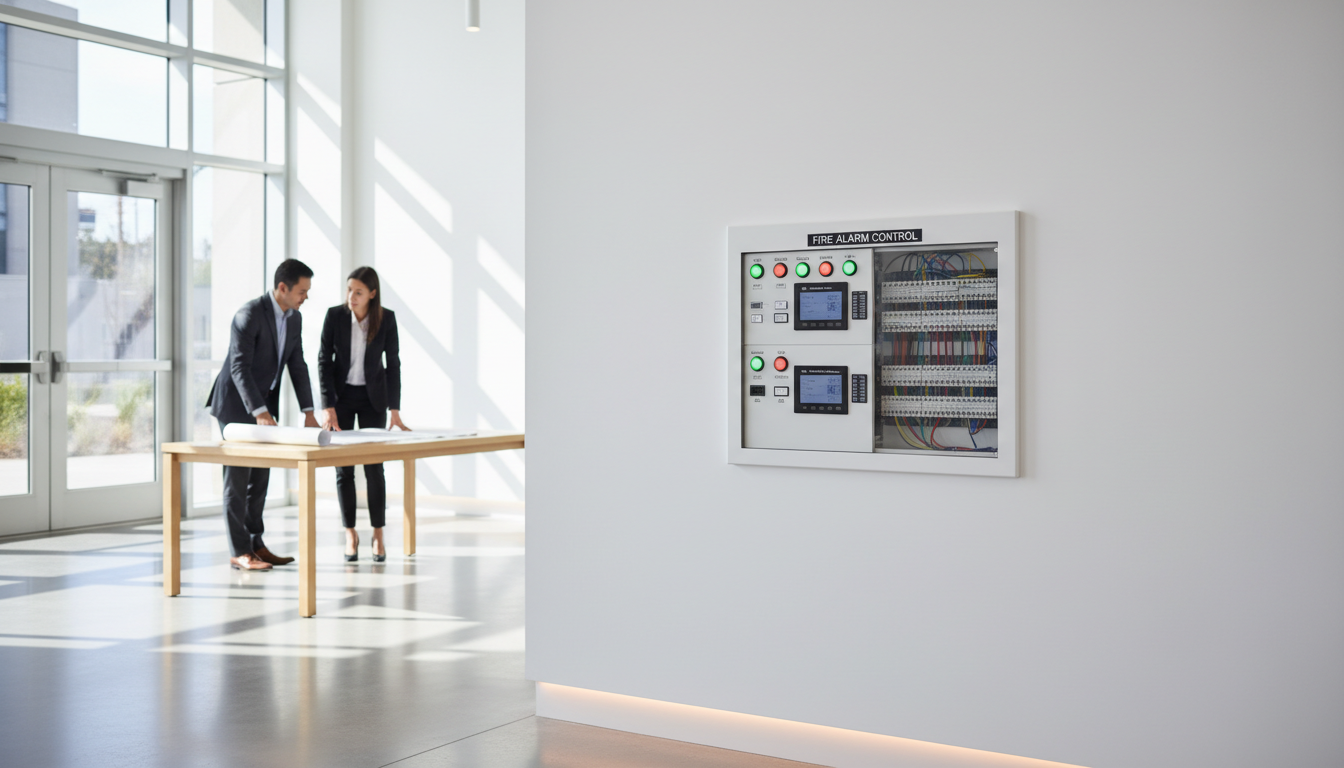
These detectors often come equipped with smart technology, allowing for integration with building management systems. This connectivity ensures that alerts are sent directly to emergency services and building occupants, reducing response times significantly.
Types of Advanced Fire Detectors
Smoke Detectors
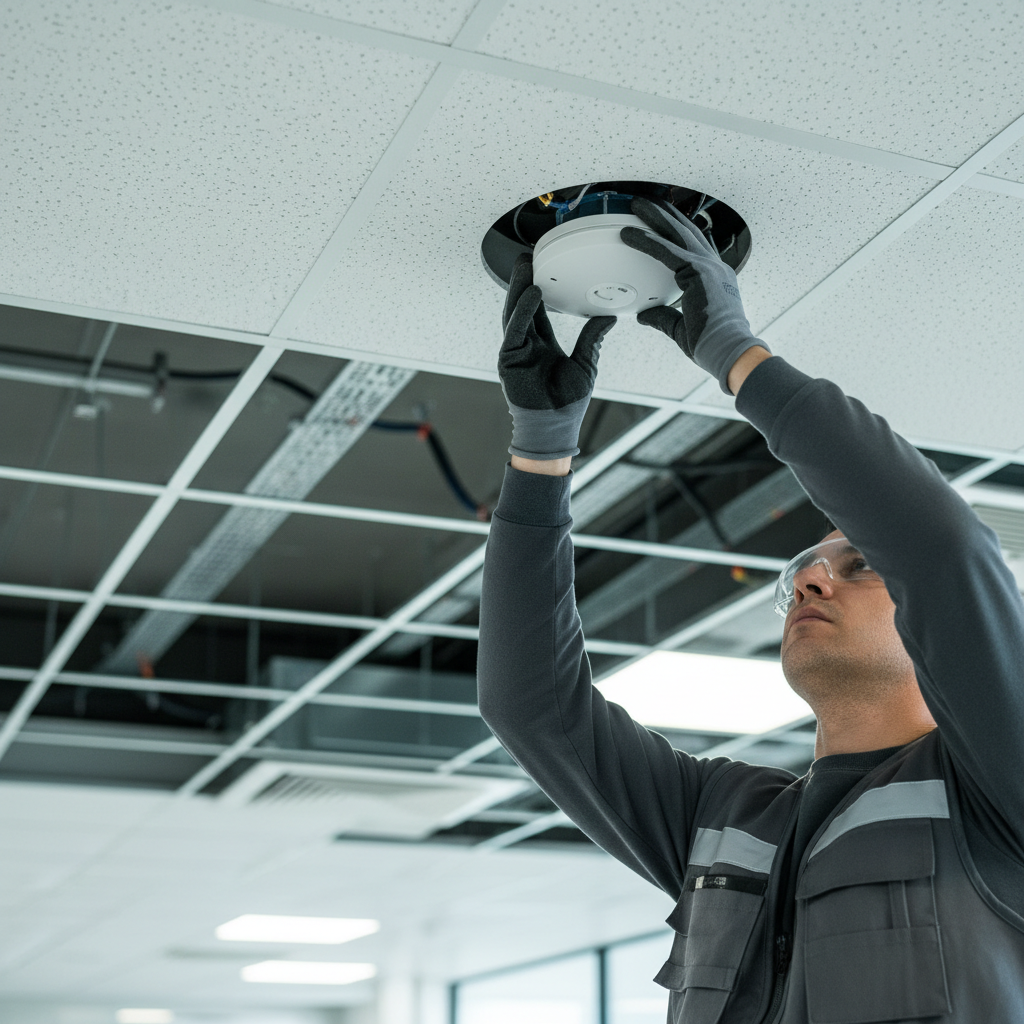
Smoke detectors are perhaps the most common type of fire detection device. Advanced models use optical sensors to detect smoke particles in the air. These sensors are highly sensitive and can distinguish between smoke from a fire and other sources, such as cooking smoke or steam.
Heat Detectors
Heat detectors are designed to respond to a rapid increase in temperature. These devices are particularly useful in environments where smoke detectors might trigger false alarms, such as kitchens or garages. Advanced heat detectors can be set to specific temperature thresholds, providing flexibility for different settings.

Gas Detectors
Gas detectors play a crucial role in identifying hazardous gases, such as carbon monoxide and natural gas, which may not produce visible smoke. These detectors use chemical sensors to detect dangerous gas levels, ensuring early warning of potential fire threats.
How Do They Work?
Advanced fire detectors operate using a combination of sensors and algorithms to accurately identify fire hazards. When a potential threat is detected, the system processes the information and sends an alert to building occupants and emergency services. This rapid communication is vital for minimizing damage and ensuring safety.
Many of these systems also include self-testing features, which regularly check the functionality of the detectors to ensure they are always operational. This proactive approach reduces the likelihood of system failures when they are most needed.
The Benefits of Advanced Fire Detection Systems
One of the most significant benefits of advanced fire detectors is their ability to provide early warning, allowing for timely evacuation and response. These systems are also less prone to false alarms, reducing unnecessary disruptions and ensuring that alerts are taken seriously.
Furthermore, integration with building management systems allows for automated responses, such as activating sprinkler systems or shutting down ventilation to prevent the spread of smoke.
Choosing the Right System for Your Needs
When selecting an advanced fire detection system, consider the specific needs of your building and its occupants. Factors such as building size, occupancy type, and existing fire safety measures should all play a role in your decision.
Consulting with fire safety professionals can provide valuable insights into the best options available, ensuring that you choose a system that offers the maximum protection for your specific situation.

In conclusion, advanced fire detectors are a critical component of modern fire safety strategies. By understanding how these systems work and selecting the best options for your needs, you can significantly enhance the safety and security of your property.