
Debunking Common Myths About Fire Alarms and Fire Safety
Understanding Fire Alarms: Separating Fact from Fiction
Fire alarms are an essential part of any safety plan, yet misconceptions about them abound. These myths can lead to negligence or misuse, ultimately compromising safety. In this post, we’ll debunk some of the most common myths surrounding fire alarms and fire safety.

Myth 1: Fire Alarms Are Only Necessary in Commercial Buildings
Many people believe that fire alarms are only essential in commercial buildings, but this couldn't be further from the truth. Residential homes are just as susceptible to fires, and having a reliable fire alarm system is crucial for early detection and evacuation. In fact, most fire-related fatalities occur in homes without working smoke alarms.
Installing fire alarms in every bedroom, outside sleeping areas, and on every level of your home can dramatically increase your chances of escaping unharmed in the event of a fire.
Installation and Maintenance Myths
Myth 2: Testing Fire Alarms Annually Is Sufficient
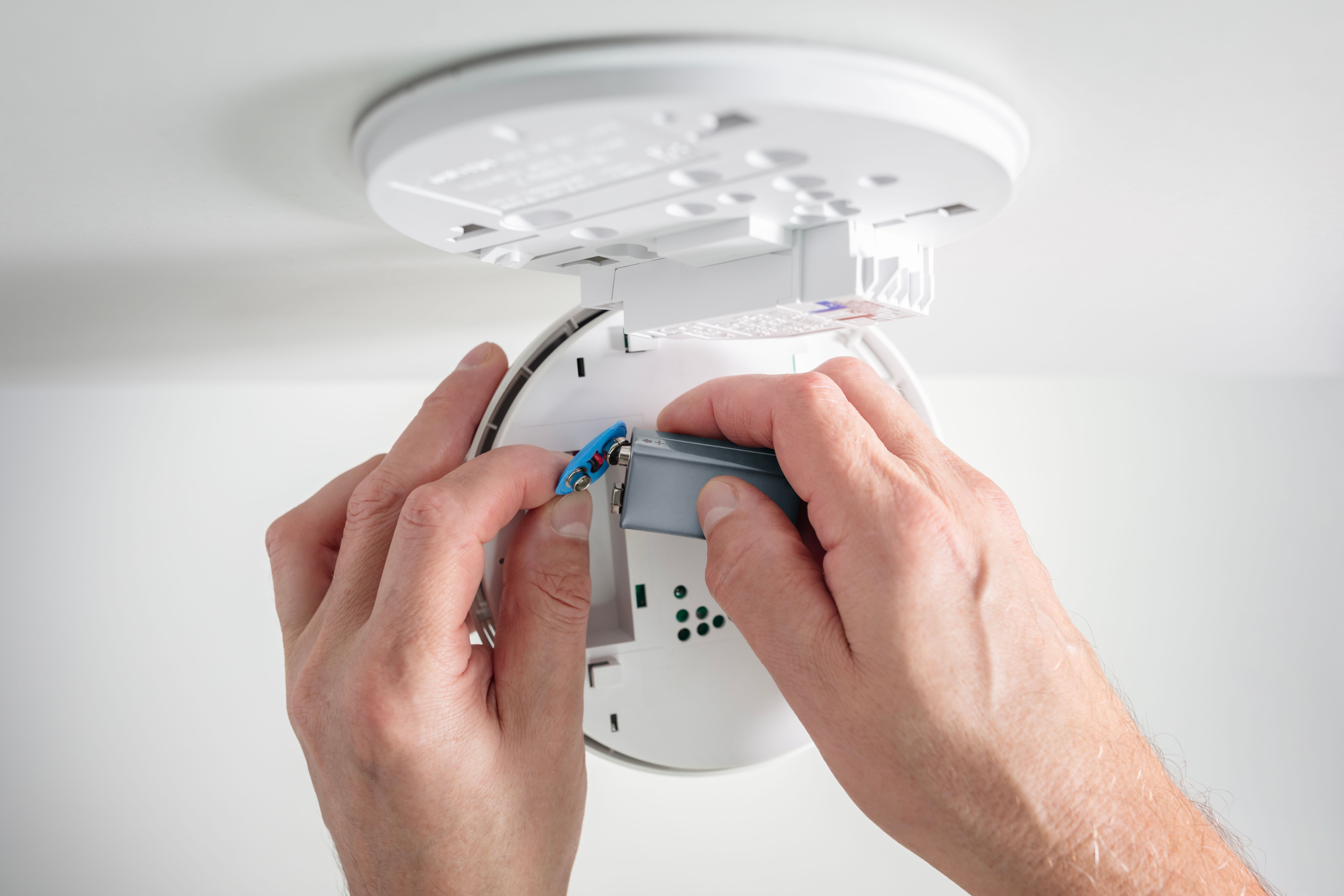
Another common misconception is that fire alarms only need to be tested once a year. However, experts recommend testing your alarms monthly. Regular testing ensures that they are functioning correctly and provides peace of mind. Additionally, replacing the batteries at least once a year is a good practice, even if the alarm is hard-wired.
Myth 3: Fire Alarms Last Forever
Fire alarms have a limited lifespan, typically around 10 years. Over time, their sensors may become less sensitive, reducing their effectiveness. It’s essential to replace your fire alarms every decade to ensure optimal performance and safety.
Fire Safety Practices: Myths and Realities
Myth 4: If There's a Fire, You Have Plenty of Time to Escape
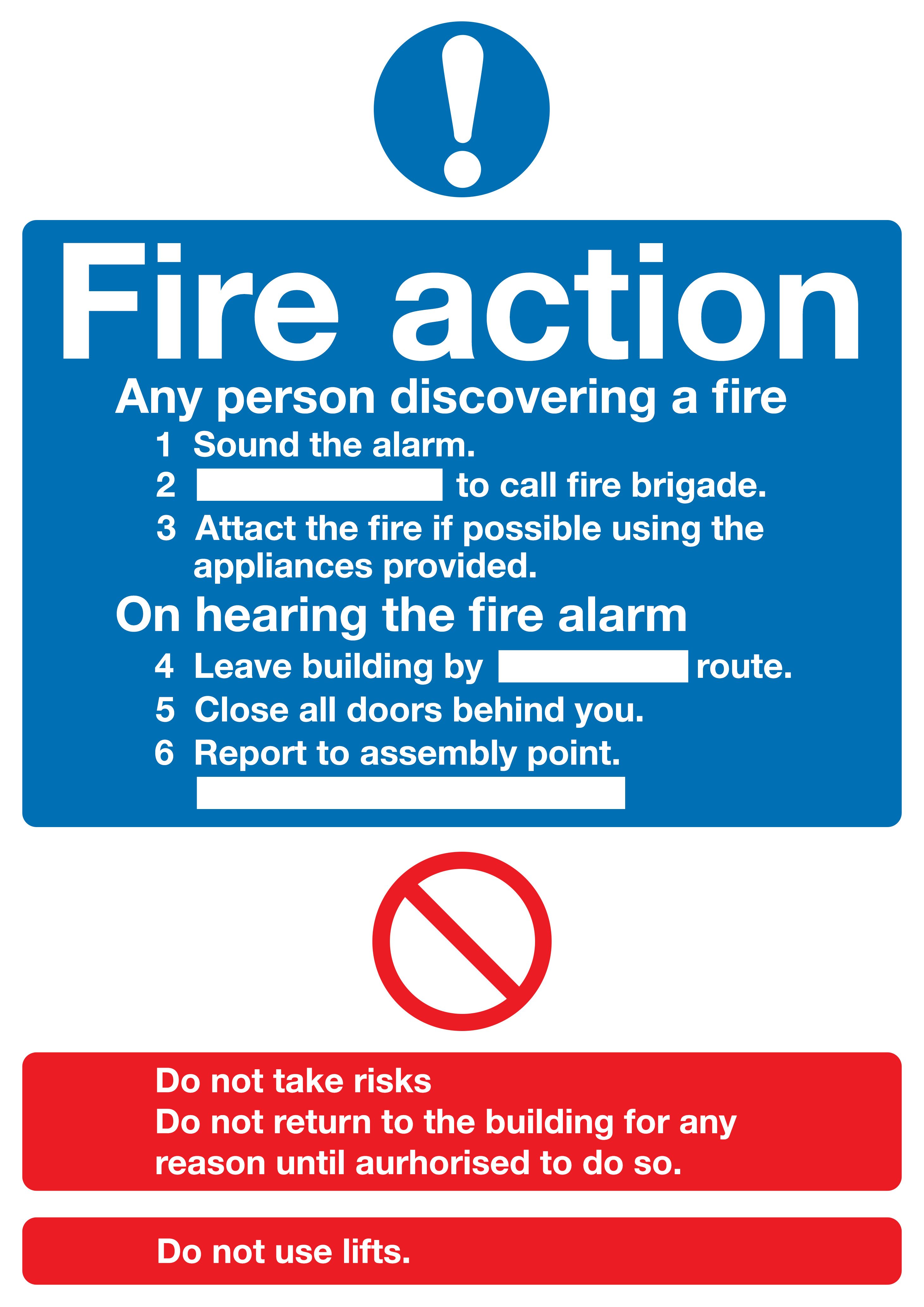
Many people underestimate how quickly a fire can spread. In reality, you may have less than two minutes to escape safely once a fire starts. This makes it crucial to have a well-practiced escape plan and functioning fire alarms to provide early warnings.
Myth 5: Smoke Will Wake You Up
Contrary to popular belief, smoke is more likely to put you to sleep than wake you up. Smoke inhalation can be extremely dangerous, causing disorientation and unconsciousness. This is why having working fire alarms is vital, as they are designed to alert you to danger before smoke becomes overwhelming.
Conclusion: Prioritizing Fire Safety
Understanding the truth behind these myths is crucial for ensuring your safety and the safety of your loved ones. By installing and maintaining fire alarms properly and having a clear escape plan, you can significantly reduce the risks associated with fires.
Take action today by reviewing your home’s fire safety measures and making any necessary updates. Remember, when it comes to fire safety, being informed and prepared can make all the difference.