
Comprehensive Guide to Fire Detection Systems: Protecting Your Home and Business
Installing a reliable fire detection system is crucial for safeguarding your home and business. These systems not only help protect valuable assets but also save lives by providing early warnings. Understanding the different types of fire detection systems and their functionalities is key to making an informed decision.
Types of Fire Detection Systems
There are several types of fire detection systems available, each designed to meet specific needs. Some common types include:
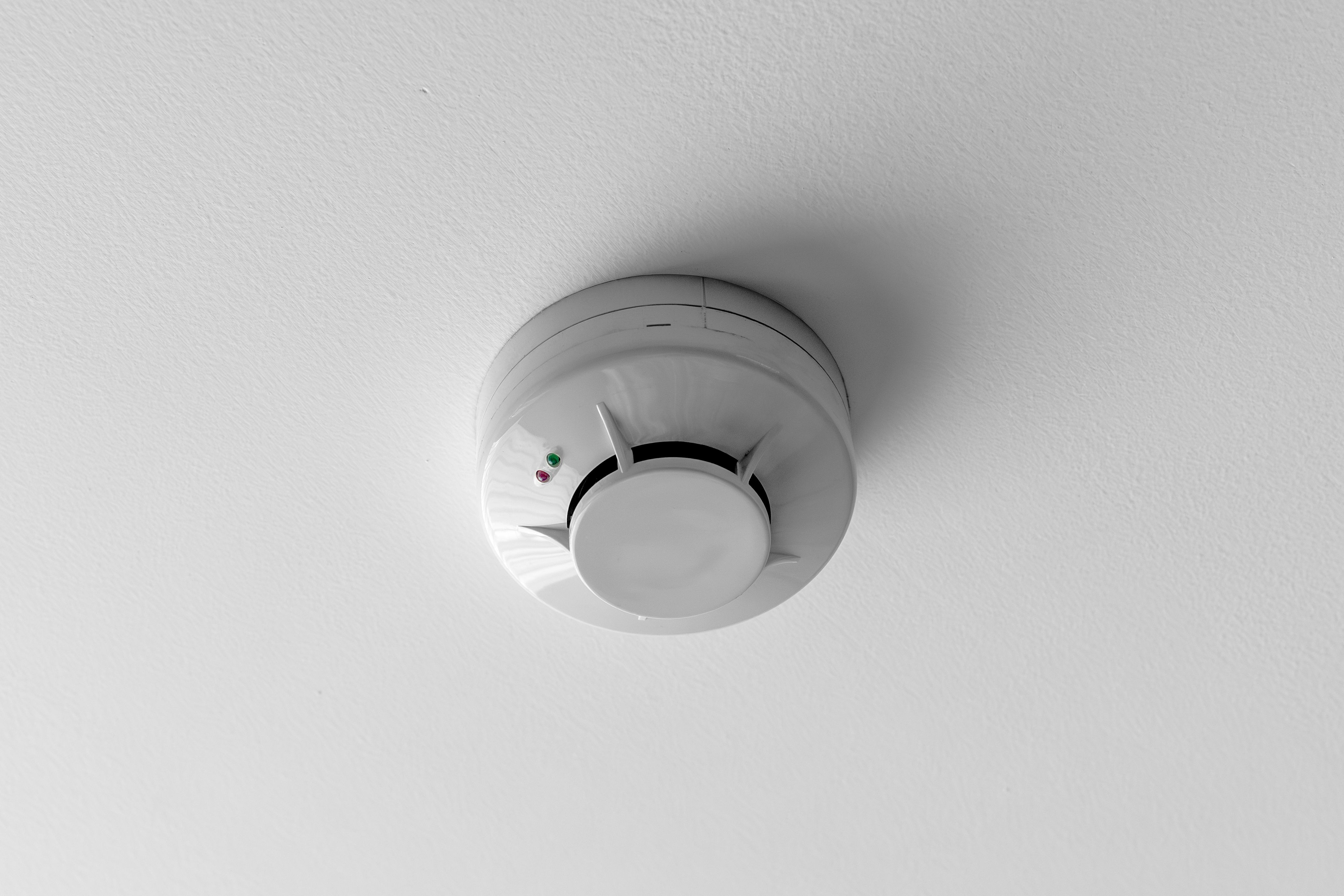
- Smoke Detectors: These devices detect smoke particles in the air and are essential for early fire detection.
- Heat Detectors: Ideal for areas where smoke detectors might trigger false alarms, these devices respond to temperature changes.
- Carbon Monoxide Detectors: These detect the presence of carbon monoxide gas, which can be a byproduct of fire.
Smoke Detectors
Smoke detectors are the most widely used fire detection devices. They come in two main types: ionization and photoelectric. Ionization detectors are more responsive to flaming fires, while photoelectric detectors are better at sensing smoldering fires. It is often recommended to have a combination of both for comprehensive coverage.
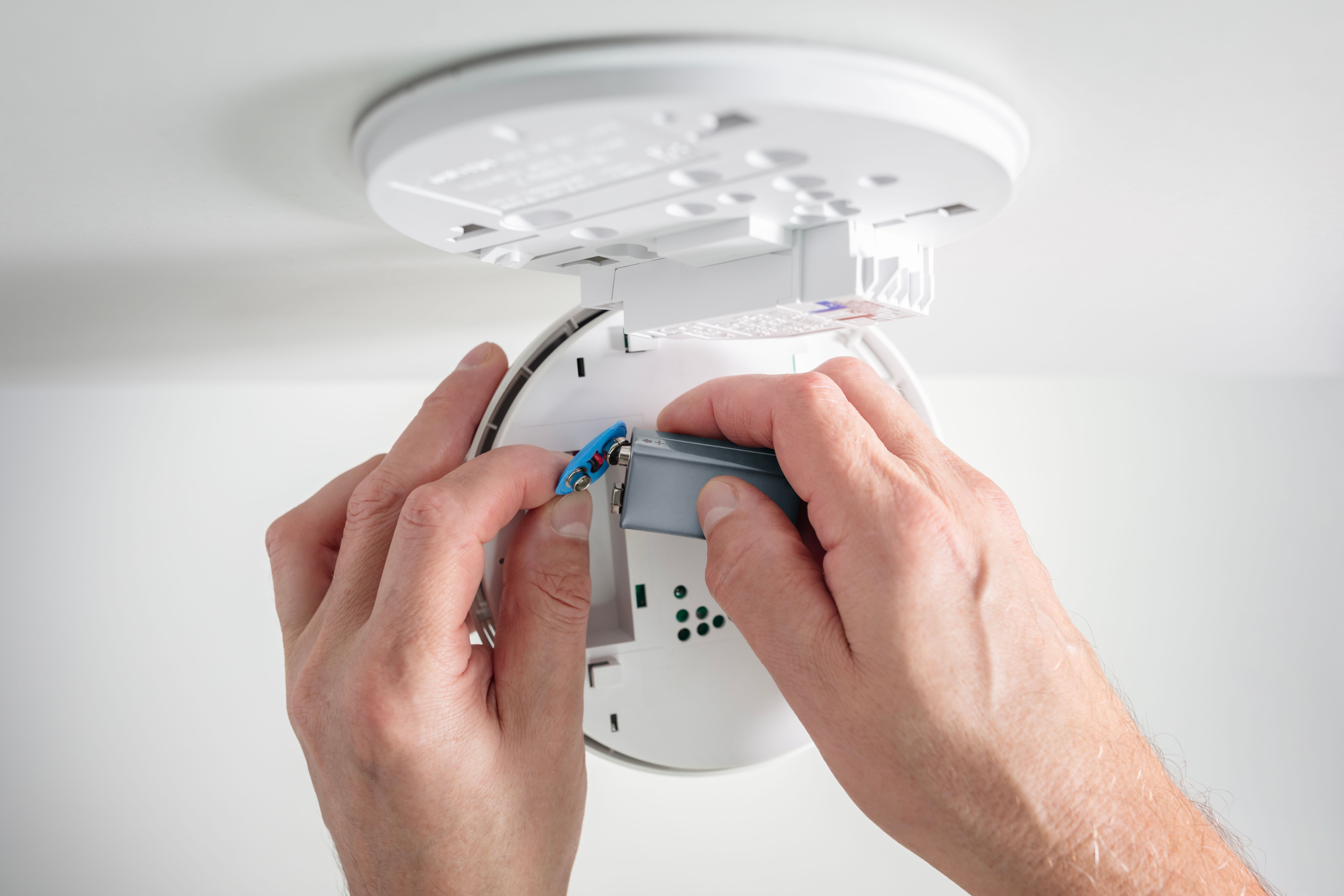
Placement is crucial for smoke detectors. Install them on every level of your home or business, inside bedrooms, and outside sleeping areas. Regular testing and maintenance, such as changing batteries, ensure their functionality.
Heat Detectors
Heat detectors are ideal for areas like kitchens or garages, where smoke detectors might trigger false alarms due to cooking fumes or exhaust. They activate when a rapid temperature increase is detected, providing an extra layer of protection. While not as common in residential settings, they are crucial in certain business environments.
Fire Detection Systems for Businesses
Businesses often require more comprehensive systems due to larger premises and higher occupancy. Here are some considerations:
- Addressable Systems: These allow pinpointing the exact location of a fire, crucial for large buildings.
- Integrated Systems: Combining fire detection with other security measures can enhance overall safety.

Maintaining Your Fire Detection System
Regular maintenance of fire detection systems is essential to ensure they function correctly when needed. This includes testing alarms, checking batteries, and cleaning devices to prevent dust buildup that could affect performance. It's advisable to schedule professional inspections at least once a year.
Most importantly, ensure that everyone in your home or business is familiar with the fire detection system and knows what to do in case of an alarm. Regular fire drills can be beneficial in preparing occupants for emergencies.
Conclusion
Investing in a comprehensive fire detection system is a proactive step in protecting your home and business. By understanding the different types of systems and their components, you can choose the best solution tailored to your needs. Remember, the key to effective fire safety is not only having the right equipment but also ensuring it is well-maintained and everyone is educated on emergency procedures.