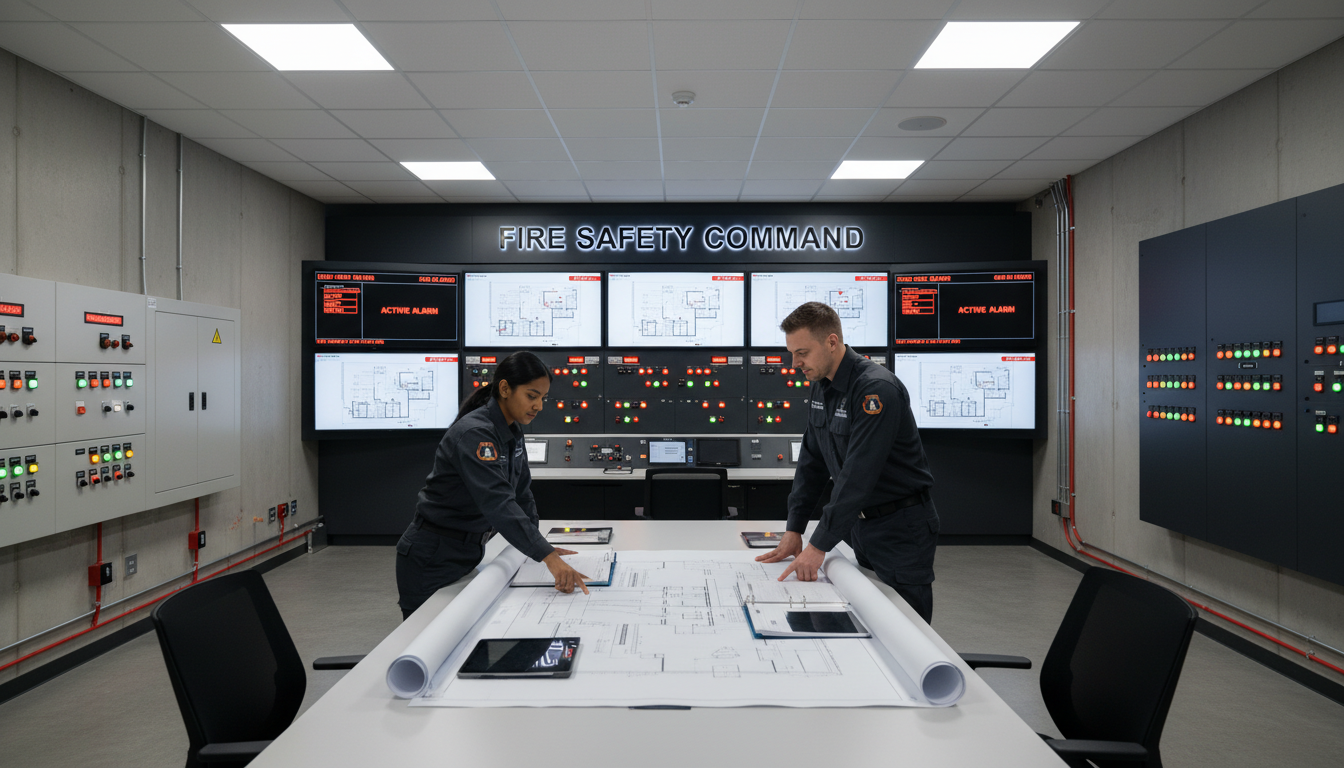
Comprehensive Guide to Fire Alarm Installation in Greater London
Understanding the Importance of Fire Alarm Systems
Fire alarm systems are a critical component of any building's safety infrastructure. They provide early detection and warning of fires, allowing occupants to evacuate safely and quickly. In Greater London, where buildings range from historic structures to modern skyscrapers, having an effective fire alarm system is not just a legal requirement but a crucial safety measure.
Choosing the right fire alarm system involves understanding the specific needs of your building. Factors such as the building's size, layout, and usage all play a role in determining the most suitable system. Additionally, regulations and standards must be followed to ensure compliance and safety.
Types of Fire Alarm Systems
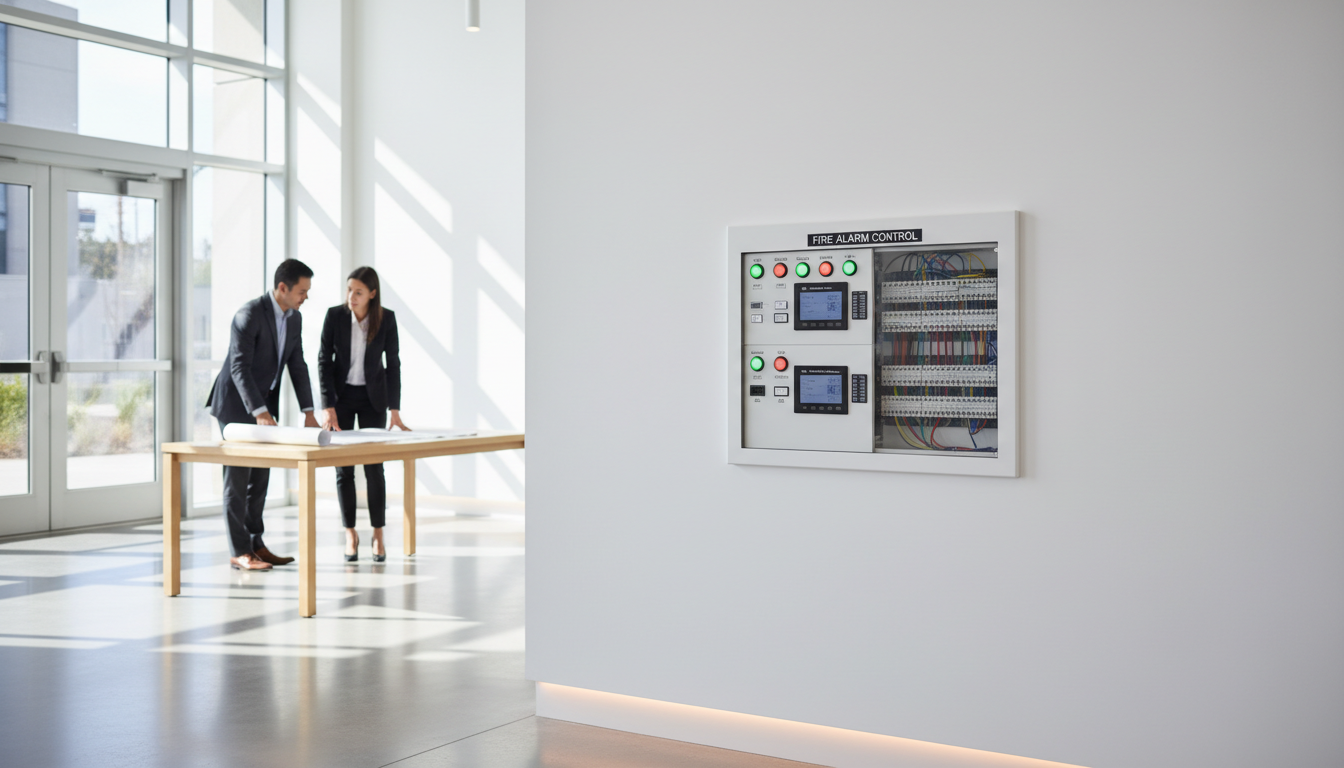
There are several types of fire alarm systems available, each with its unique features and benefits. The most common types include:
- Conventional Fire Alarms: These systems divide your premises into zones, with each zone having a set of fire detectors and call points.
- Addressable Fire Alarms: More advanced than conventional systems, these allow each device to have its own unique address, providing precise information about the fire's location.
- Wireless Fire Alarms: Ideal for historic or complex buildings, these systems offer flexibility and ease of installation without the need for extensive wiring.
Choosing the right type depends on the complexity and requirements of your building.
Steps for Installing Fire Alarm Systems
Installing a fire alarm system involves several critical steps to ensure effectiveness and compliance. Here's a general outline of the process:
- Assessment: Conduct a thorough assessment of the building to understand its fire safety needs.
- Design: Develop a comprehensive design that meets regulatory standards and the building's specific requirements.
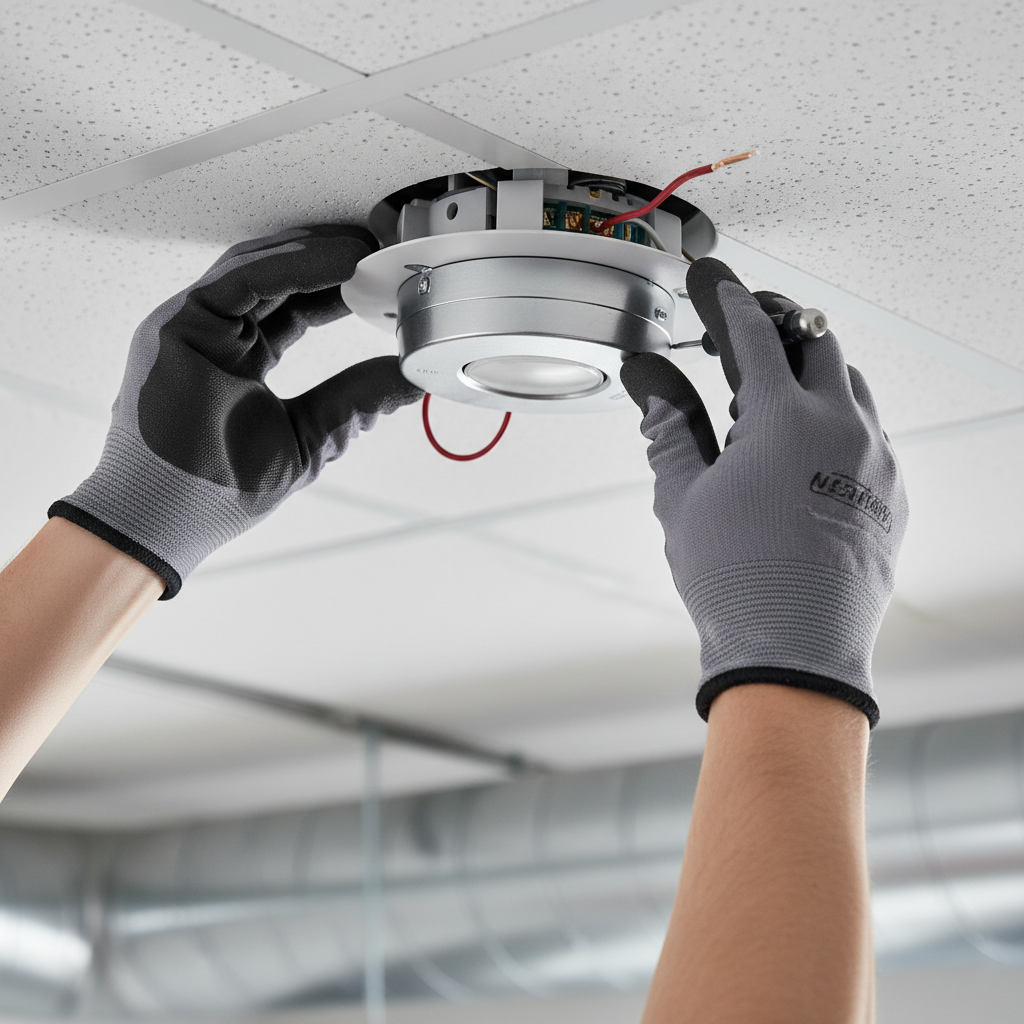
- Installation: Professional technicians install the system, ensuring all components are correctly placed and connected.
- Testing and Commissioning: The system is rigorously tested to ensure it functions correctly and meets all safety standards.
- Maintenance: Regular maintenance is essential to keep the system operational and compliant with regulations.
Compliance with Regulations
In Greater London, fire alarm installations must comply with specific regulations and standards. These include the British Standard BS 5839, which outlines the requirements for fire detection and alarm systems. Compliance ensures that the system will perform effectively in an emergency, providing peace of mind for building owners and occupants alike.
Working with a professional installer familiar with local regulations is crucial. They can ensure that your system not only meets legal requirements but also maximizes safety and efficiency.
Choosing a Professional Installer
Selecting the right installer is vital for the success of your fire alarm system. Look for companies with a proven track record, proper certifications, and experience in handling projects similar to yours. A reputable installer will provide ongoing support, including maintenance and emergency services.
Consider seeking recommendations and reading reviews to gauge the reliability and quality of potential installers. Investing in a high-quality installation service can save time, money, and even lives in the long run.