
Choosing the Right Fire Alarm System: A Comparison Guide
Choosing the right fire alarm system for your home or business is a critical decision that can significantly impact your safety and peace of mind. With numerous options available, it's essential to understand the differences between various systems to make an informed choice.
Types of Fire Alarm Systems
Fire alarm systems can be broadly classified into two categories: **conventional** and **addressable**. Conventional systems are suitable for smaller buildings, as they divide the premises into zones. Addressable systems, on the other hand, provide more detailed information and are ideal for larger buildings.
Conventional Fire Alarm Systems
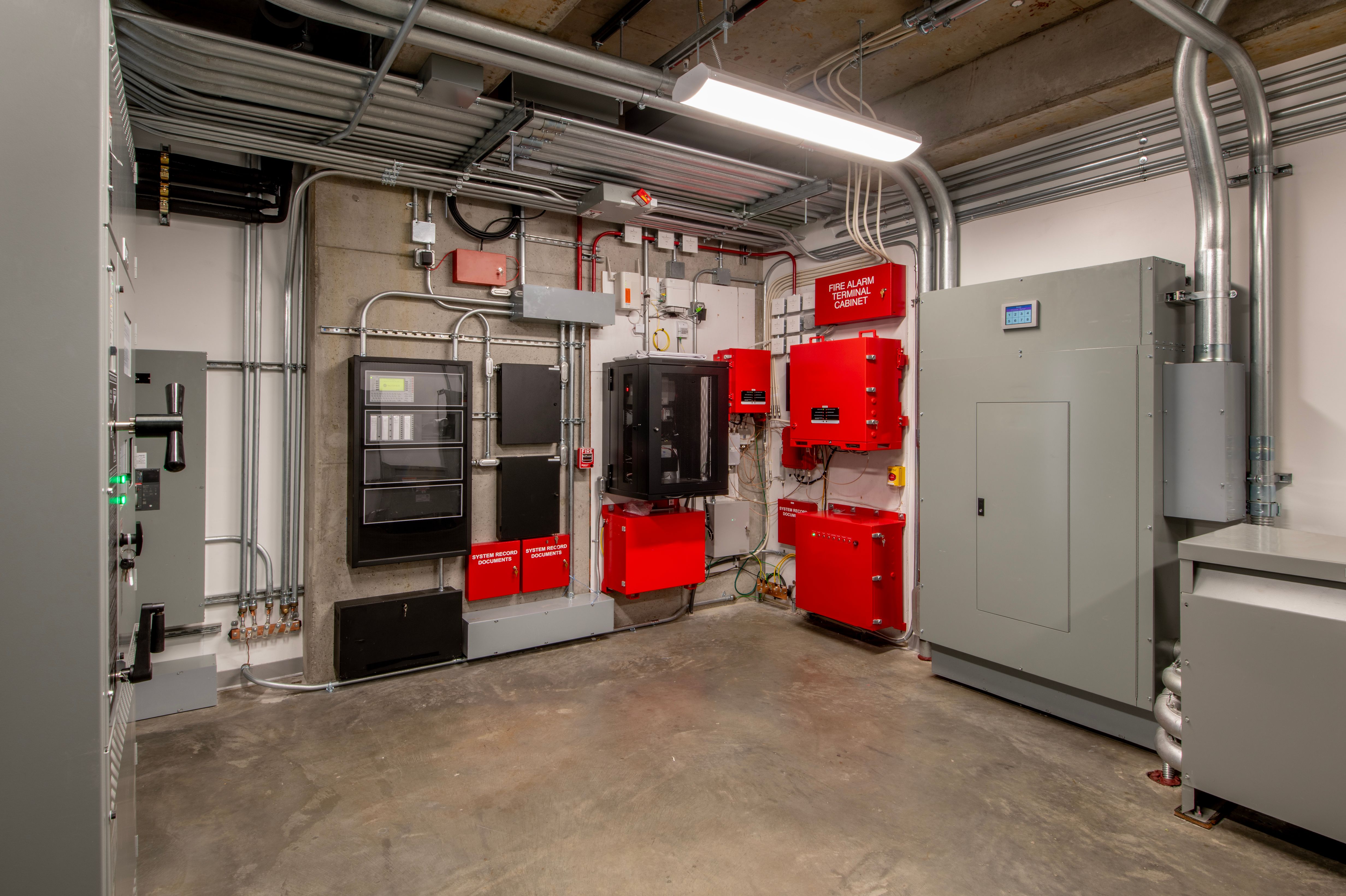
Conventional fire alarm systems work by connecting multiple detectors to a central control panel. When a detector senses smoke or heat, it sends a signal to the panel, which then activates alarms in the designated zone. These systems are cost-effective and relatively simple to install.
Addressable Fire Alarm Systems
Addressable systems allow each detector to have a unique address, enabling precise identification of the alarm location. This feature is particularly advantageous in large buildings, as it helps emergency responders to quickly locate the source of the fire. While more expensive, they offer enhanced functionality and monitoring capabilities.
Key Features to Consider
When selecting a fire alarm system, there are several key features to consider:
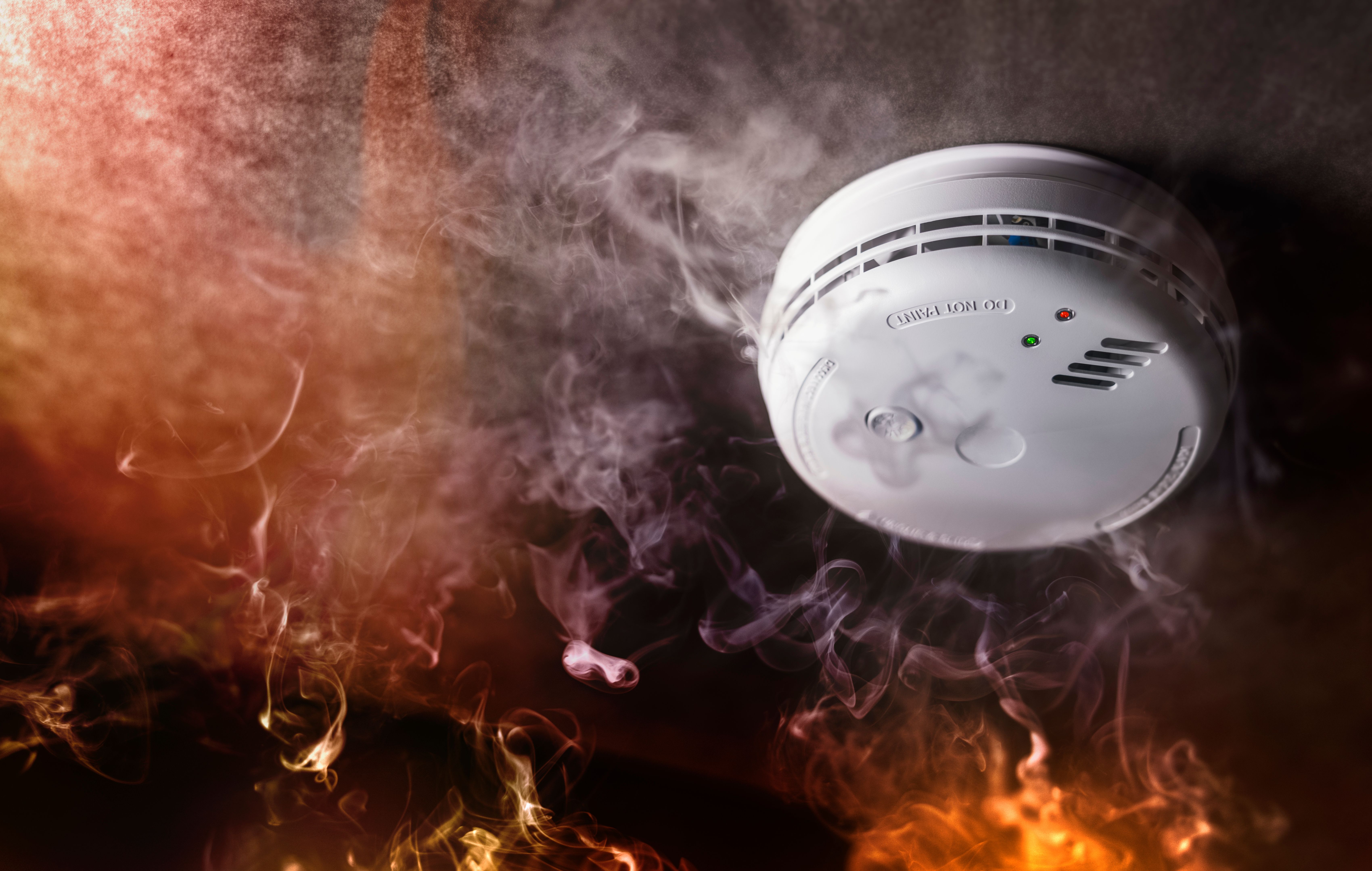
- Detection Type: Smoke, heat, or carbon monoxide detectors.
- Alarm Type: Bells, sirens, or voice evacuation systems.
- Monitoring: Local alarms or systems connected to a central monitoring station.
Wireless vs. Wired Systems
Another important consideration is whether to choose a wired or wireless system. **Wired systems** are typically more reliable and less susceptible to interference, making them suitable for new constructions where cabling can be easily integrated. **Wireless systems**, however, offer more flexibility and are easier to install in existing buildings without the need for extensive wiring.
Compliance and Regulations
Ensuring that your fire alarm system complies with local regulations and standards is crucial. These regulations dictate the minimum requirements for fire safety and can vary significantly depending on your location and building type. Consulting with a fire safety professional can help you navigate these requirements effectively.
Maintenance and Testing
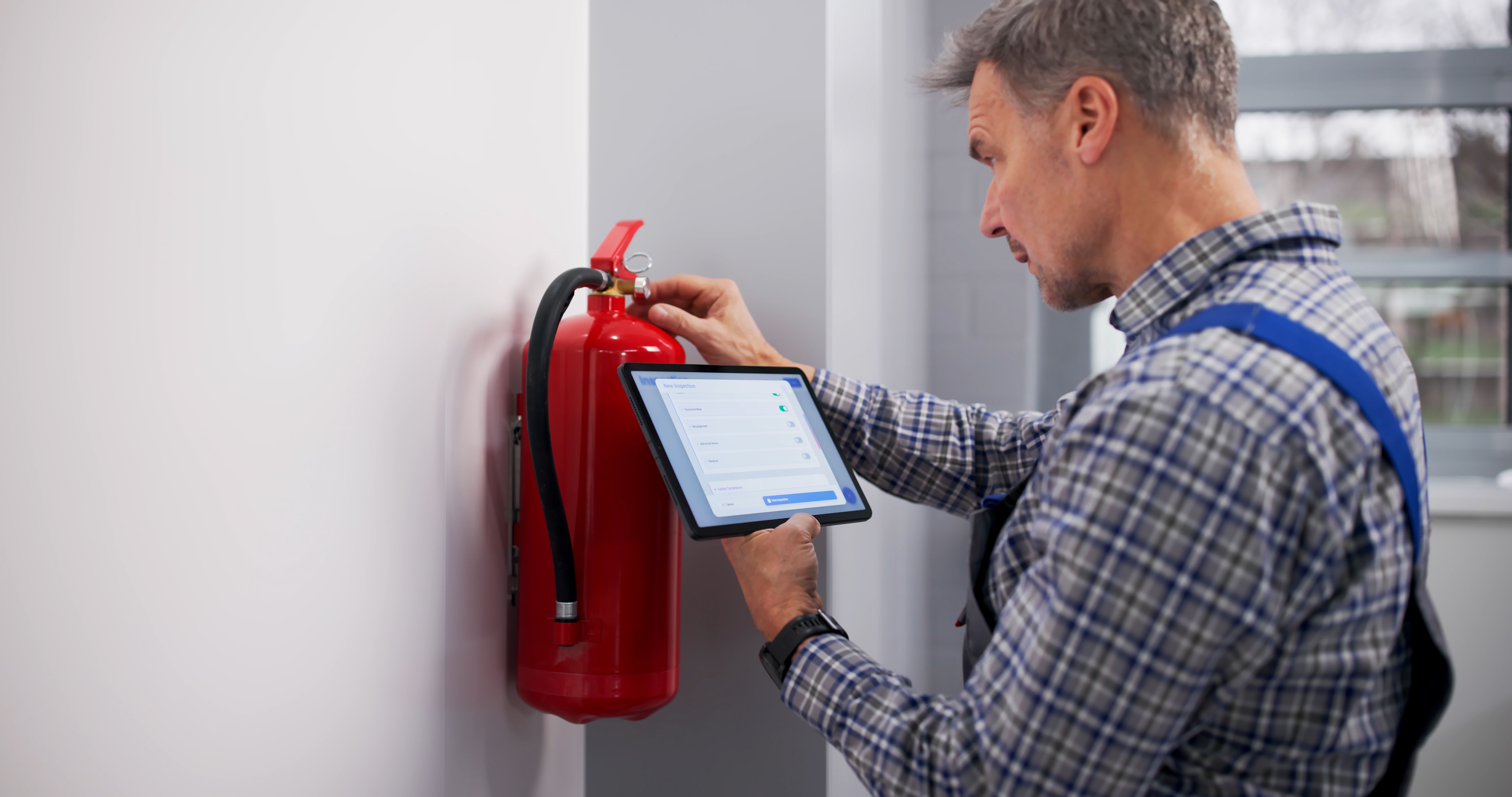
Regular maintenance and testing of your fire alarm system are essential to ensure it functions correctly when needed. It's advisable to choose a system that offers easy access for testing and maintenance, along with a clear schedule for routine checks.
Conclusion
Choosing the right fire alarm system involves evaluating various factors, including the size and layout of your building, your budget, and specific safety requirements. By understanding the different types of systems and their features, you can make a well-informed decision that enhances the safety and security of your property.