
A Comprehensive Guide to Fire Alarm Systems: Features and Benefits
Understanding Fire Alarm Systems
Fire alarm systems are essential for ensuring the safety of both residential and commercial properties. These systems are designed to detect smoke, heat, or fire, and alert occupants, enabling them to evacuate safely. There are various types of fire alarm systems, each with specific features suited to different environments.

Types of Fire Alarm Systems
Fire alarm systems can be broadly categorized into conventional, addressable, and wireless systems. Conventional systems divide the building into zones, with each zone having its own circuit. If a detector or call point in a zone is triggered, the system identifies the zone but not the specific device.
Addressable systems offer more precision by uniquely identifying each device on the system. These systems are ideal for larger buildings as they provide detailed information about the location of the fire. Wireless systems are similar to addressable systems, but they use radio signals to communicate, making them easy to install without extensive wiring.
Key Features of Fire Alarm Systems
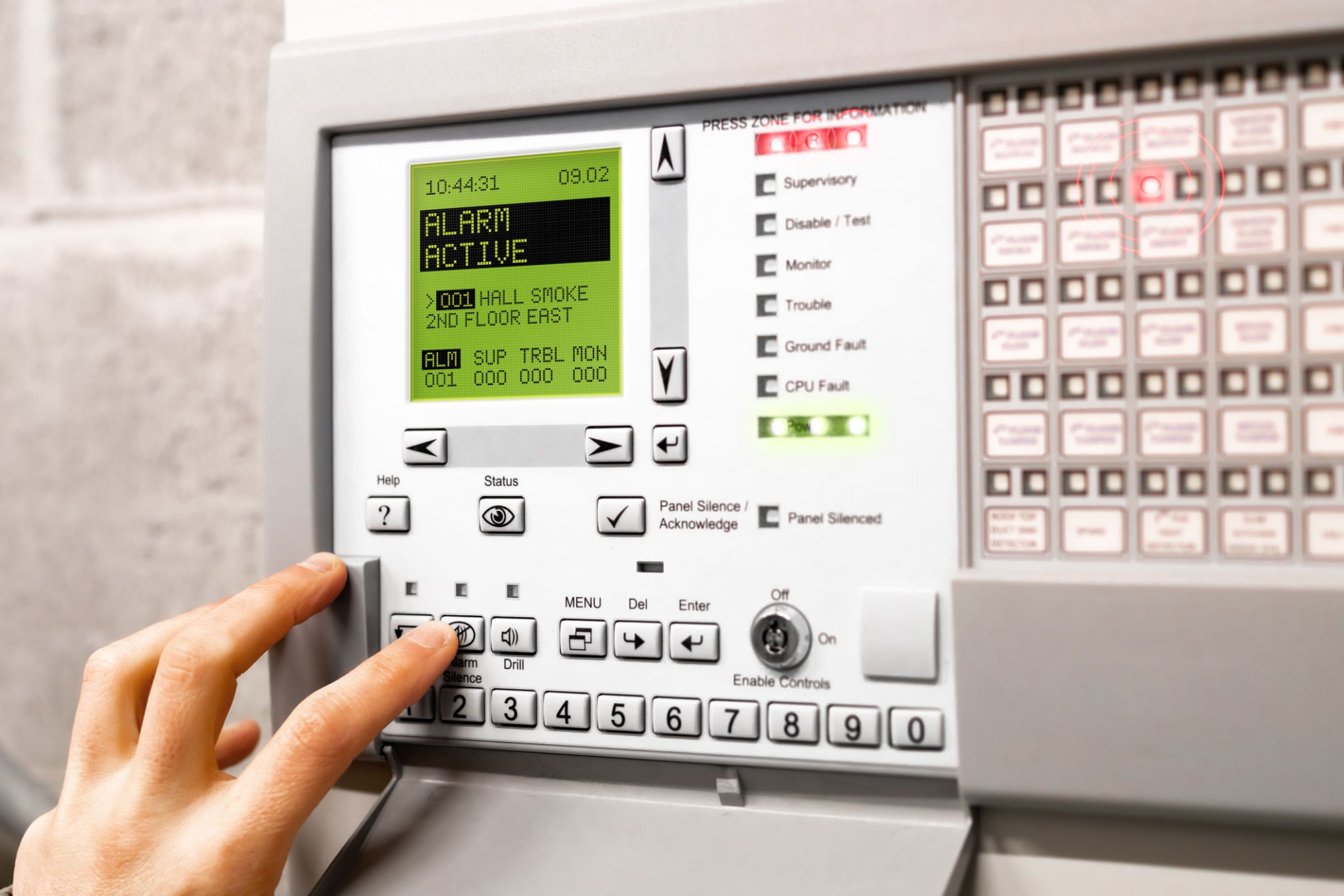
Modern fire alarm systems are equipped with various features to enhance safety and functionality. Some of the key features include:
- Automatic Detection: Sensors detect smoke, heat, or flames and alert the system automatically.
- Manual Call Points: Allow individuals to raise an alarm manually if they notice a fire.
- Integration with Other Systems: Fire alarms can be integrated with other safety systems such as sprinklers and emergency lighting.
Benefits of Installing a Fire Alarm System
Installing a fire alarm system provides numerous benefits, primarily enhancing the safety of occupants. Early detection and warning allow for prompt evacuation, reducing the risk of injury or fatalities. Additionally, fire alarms can help minimize property damage by enabling faster firefighting response times.
Fire alarms also contribute to compliance with safety regulations, which is crucial for businesses to avoid legal penalties. Furthermore, having a reliable fire alarm system can potentially lower insurance premiums, as insurers recognize the reduced risk of fire-related claims.
Maintaining Your Fire Alarm System
Regular maintenance of fire alarm systems is critical to ensure they function correctly when needed. It's advisable to conduct routine checks and tests to identify any faults or issues. Professional maintenance services can offer comprehensive inspections and repairs to keep the system in optimal condition.
Choosing the Right Fire Alarm System
Selecting the right fire alarm system depends on several factors, including the size and type of the building, the specific risks present, and budget constraints. Consulting with fire safety experts can help determine the most suitable system for your needs, ensuring maximum protection and compliance with regulations.
In conclusion, fire alarm systems are a vital component of any building's safety infrastructure. By understanding their features and benefits, and ensuring proper installation and maintenance, you can significantly enhance safety and peace of mind for all occupants.